Description
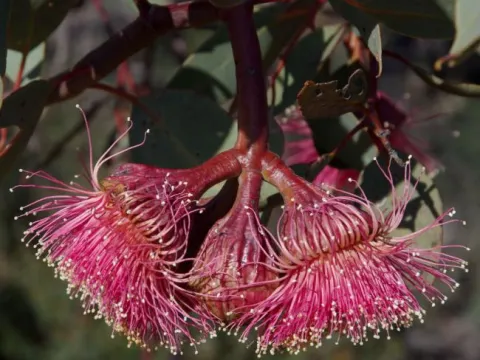
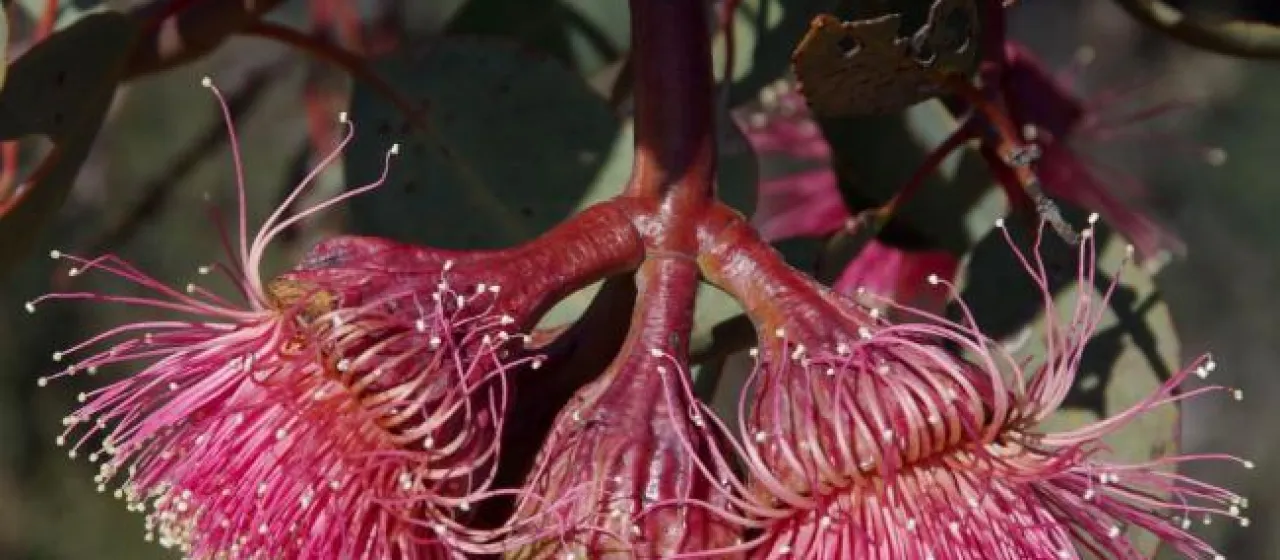
Dowerin rose (botanical name Eucalyptus pyriformis) is a distinctive shrub or small tree belonging to the Myrtaceae family. It is widely recognized for its large, flamboyant flowers and unique pear-shaped fruits, which have earned it the status of a prized ornamental species in specialized botanical collections.
This species is native to the western regions of Australia, primarily found in the Dowerin area and surrounding dry shrublands. It thrives in arid environments characterized by sandy, gravelly, and well-drained soils. Its evolutionary history is deeply linked to the harsh, nutrient-poor conditions of the Australian bush.
Botanically, the plant is characterized by its glaucous, lanceolate foliage and its spectacular floral display. The flowers, which can vary in color from creamy yellow to deep pink or red, contain a dense cluster of stamens. The shrub typically grows to a height of 2 to 5 meters, often exhibiting a spreading habit that requires significant spacing for proper aeration.
Cultivation of Eucalyptus pyriformis demands specific environmental parameters, primarily high solar radiation and strictly well-drained soil substrates. Farmers and horticulturists must avoid heavy clays to prevent root rot. While the plant is drought-tolerant, supplemental irrigation during the initial establishment phase is crucial for ensuring a healthy root structure.
The primary utility of the Dowerin rose lies in its role as a decorative landscape plant and a nectar source for local fauna. Despite its hardiness, growers must manage common issues such as:
- Root pathogens exacerbated by excessive soil moisture.
- Leaf-feeding insects that target the nutrient-rich foliage.
- Fungal diseases occurring in humid, poorly ventilated environments.
Photo gallery