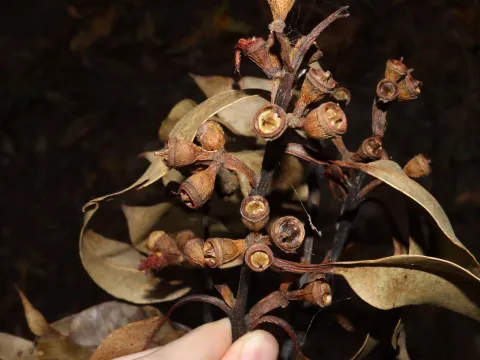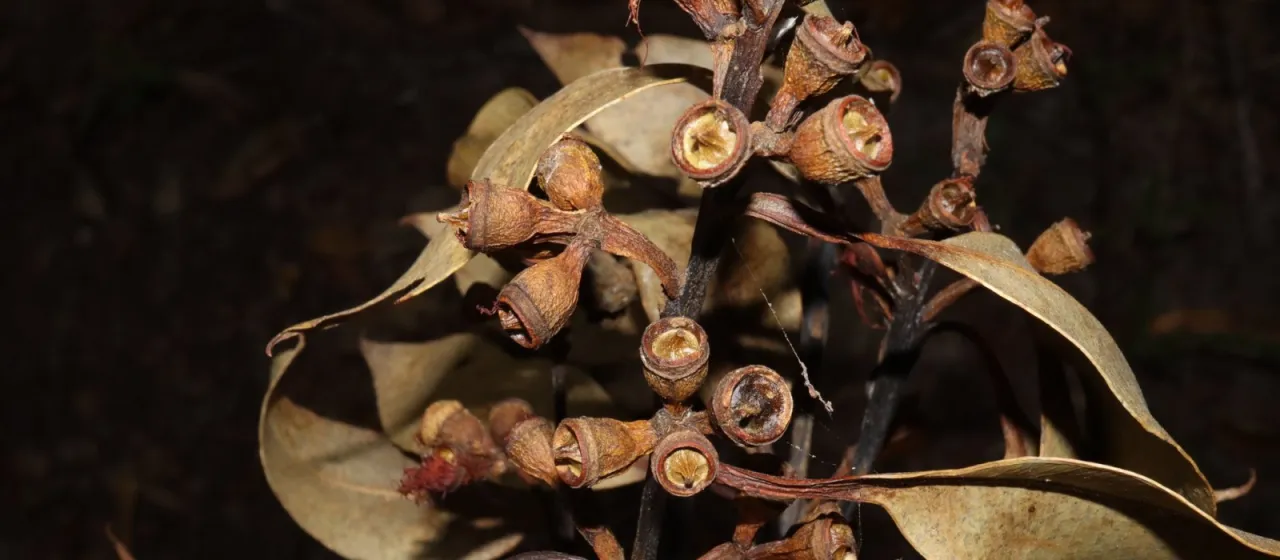
Description
Daintree stringybark (Eucalyptus pellita) is a robust evergreen tree belonging to the Myrtaceae family. Renowned for its rapid growth rate and straight bole, this species is a critical industrial crop extensively grown in plantations across tropical regions for various commercial purposes.
Native to the humid tropical forests of northeastern Queensland in Australia, as well as parts of New Guinea and Indonesia, the species has a natural preference for warm, moist habitats. Today, it is widely cultivated across Southeast Asia, particularly in Vietnam and Indonesia, serving as a primary source for forest product industries.
Botanically, the tree is characterized by its fibrous, stringy bark and evergreen, leathery leaves. It displays a vigorous growth pattern, often reaching significant heights within a few years of planting. The species exhibits strong apical dominance, which contributes to the formation of high-quality timber suitable for construction and manufacturing.
Cultivation requires specific environmental conditions, primarily high rainfall and stable, warm temperatures. The tree thrives in deep, well-drained soils and requires careful site management during the establishment phase. Effective silvicultural practices, including site preparation, weed control, and appropriate tree spacing, are essential to maximize biomass production.
- Pulp and paper industry production
- Saw-timber and veneer manufacturing
- Furniture and high-end joinery
- Land rehabilitation and reforestation projects
Despite its resilience, the tree is susceptible to several pathogens, including leaf blight fungi and various pests like wood borers. Effective management involves maintaining plantation hygiene and selecting elite, pest-resistant clones to ensure healthy growth and sustained yield throughout the rotation cycle.
Photo gallery