Description
The white eucalyptus (Eucalyptus alba Reinw. ex Blume) is a fast-growing evergreen tree belonging to the Myrtaceae family. It is widely recognized in forestry circles as a high-yielding species, particularly valued for its robust growth rates and adaptability in tropical environments.
The natural distribution of this species spans across Indonesia, East Timor, and northern Australia. Unlike many of its relatives, Eucalyptus alba is highly adapted to lowland areas with marked seasonal rainfall patterns, making it a resilient choice for afforestation projects in tropical climates.
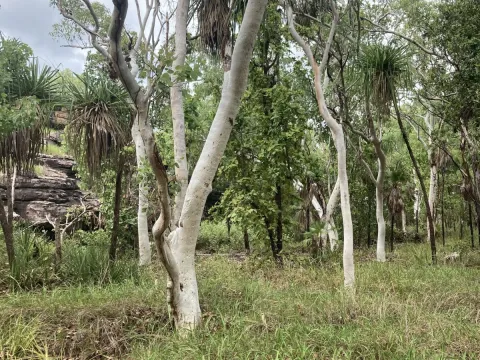
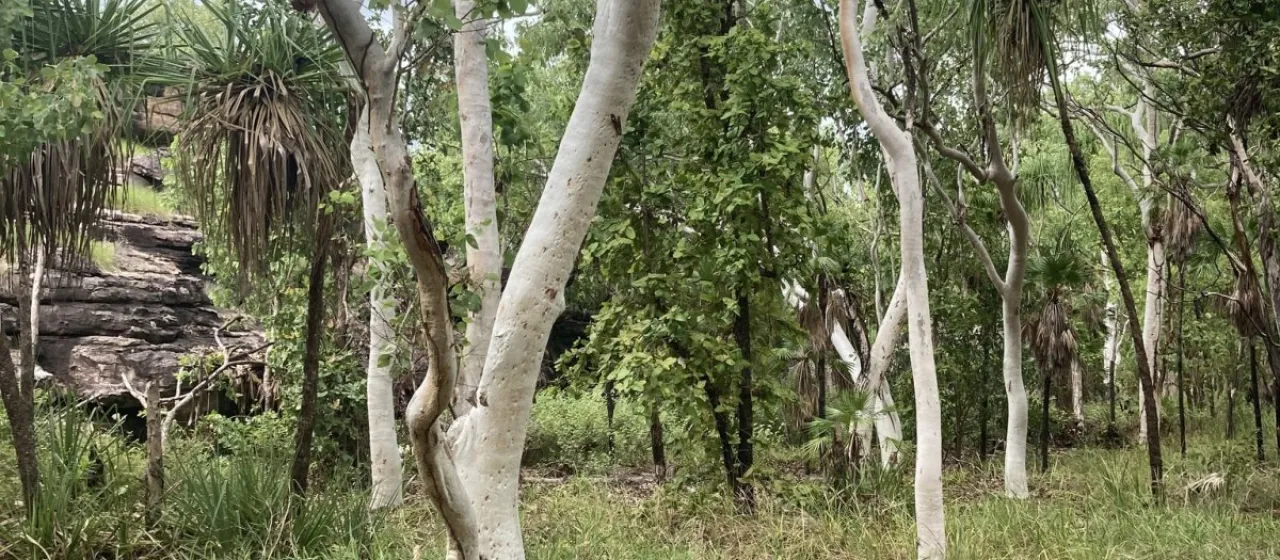
Botanically, the tree is characterized by a smooth, white to cream-colored bark that sheds periodically. Its foliage consists of leathery, lance-shaped leaves rich in essential oils. The white, small flowers are organized in umbels and are significant for local biodiversity, providing resources for various pollinators in its native range.
Cultivation of Eucalyptus alba requires well-drained soils and full sun exposure. It is strictly limited to frost-free zones, as it cannot survive cold temperatures. Agricultural management involves intensive site preparation and weed control during the establishment phase to ensure that young trees can develop their root systems without excessive competition from other vegetation.
Economically, this species is primarily cultivated for wood production, specifically serving the pulp and paper industry, as well as the manufacturing of structural timber. Furthermore, the tree is used in environmental management, such as soil stabilization and water management in swampy areas, while its leaves remain a source of compounds for the cosmetic and pharmaceutical sectors.
- Rapid biomass production.
- Tolerance to diverse soil conditions.
- Essential raw material for paper pulp.
- Used in land reclamation and soil drainage.
Photo gallery