Description
Candlebark, scientifically classified as Eucalyptus rubida, is a significant tree species belonging to the Myrtaceae family. Its common name is derived from the distinct appearance of its bark, which peels off in long, thin ribbons to reveal a smooth, white trunk reminiscent of a burning candle.
This species is native to the southeastern regions of Australia, specifically thriving in cool, sub-alpine, and montane environments. Because of its origin, it is widely recognized for its high level of cold tolerance, allowing it to be cultivated in climates that are generally considered too harsh for most other Eucalyptus species.
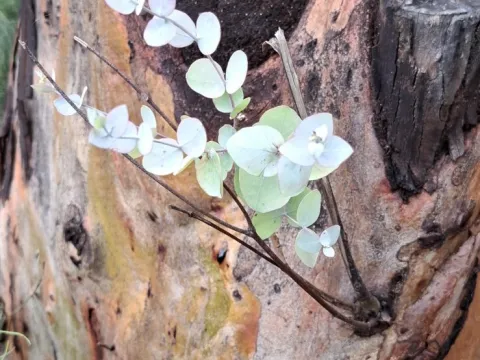
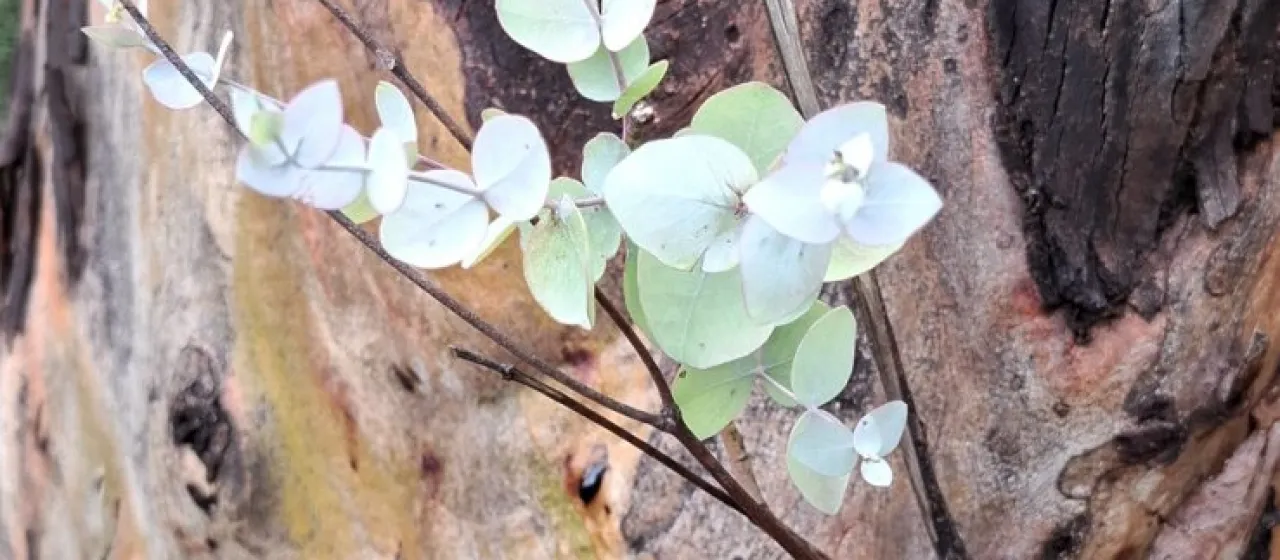
Botanically, Eucalyptus rubida can grow into a substantial tree, reaching heights of 20 to 30 meters. It exhibits a heterophyllous growth habit, transitioning from rounded juvenile leaves to narrower, lanceolate adult leaves. The tree produces clusters of white flowers that are highly attractive to pollinators, making it an excellent species for honey production.
For optimal cultivation, the species requires well-draining, nutrient-rich soils. While it can adapt to various soil types, it performs best in deep, loam-based substrates. Agricultural practices should focus on establishing proper drainage and providing sufficient sunlight, as the species is intolerant to shade during its growth cycle.
- Exceptional frost hardiness compared to other eucalypts.
- Industrial use for timber and pulp production.
- Key resource for high-quality eucalyptus honey.
- Popular ornamental choice for parks and large estates.
Pest management for Candlebark involves monitoring for localized infestations of leaf-eating insects and wood-boring beetles. Disease susceptibility is generally low, provided that the soil conditions remain optimal and avoid waterlogging. Proper site selection and periodic thinning of dense stands are essential steps in maintaining tree health and productivity.
Photo gallery