Description
Disc-leaf mallee (botanical name Eucalyptus orbifolia) is a distinctive species belonging to the Myrtaceae family. In its native habitat, it typically adopts the 'mallee' growth habit, characterized by multiple stems rising from a woody rootstock, which allows the plant to survive in harsh environmental conditions.
The plant is native to arid regions of Western Australia, commonly found on granite outcrops and rocky slopes. Its natural distribution is restricted to areas with well-drained, nutrient-poor soils, demonstrating a high level of evolutionary adaptation to water scarcity and intense solar radiation.
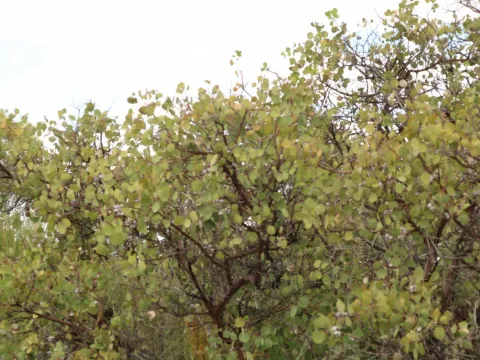
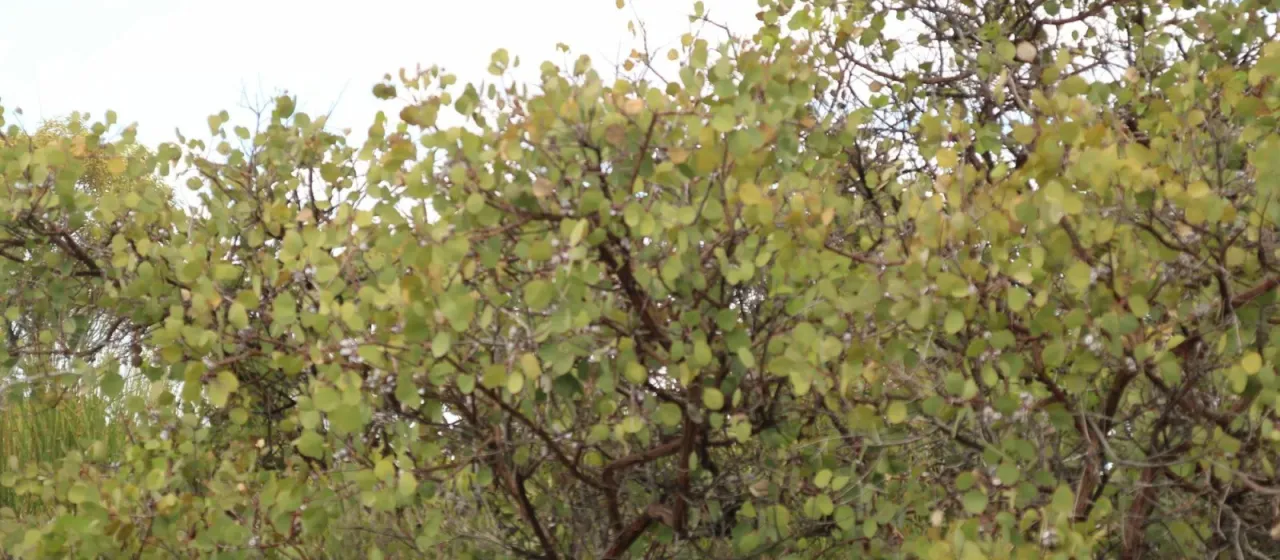
Botanically, the species is defined by its orbicular, leathery leaves covered with a glaucous wax layer, which is a structural adaptation to minimize transpiration. It produces large, showy flowers with prominent stamens, which are highly attractive to local pollinators, making it an essential component of the arid landscape ecosystem.
Cultivation of Eucalyptus orbifolia requires strict adherence to agricultural best practices for dry-climate species. It demands full sun exposure and perfectly drained soil to prevent root rot. While established plants are highly drought-tolerant, supplemental irrigation is necessary during the early stages of establishment to ensure proper root development.
The primary use of this culture is in xeriscaping and sustainable landscape architecture. It serves as an excellent ornamental specimen for gardens that mimic natural arid habitats. Growers should be mindful of common eucalyptus pests, such as leaf-eating insects, and ensure proper airflow to prevent fungal issues caused by high humidity or poor water management.
Photo gallery