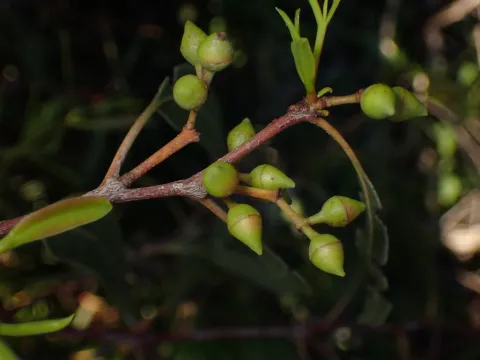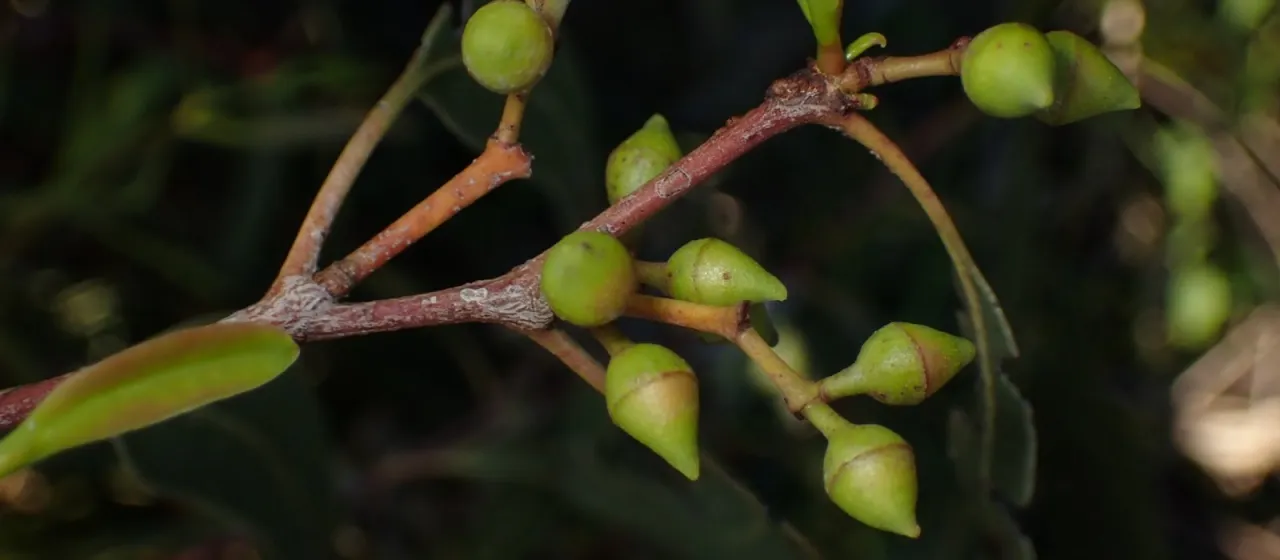
Description
The River red gum (Eucalyptus camaldulensis) is a fast-growing, evergreen tree belonging to the Myrtaceae family. It is widely recognized as one of the most important forestry species globally due to its remarkable growth rate and tolerance to a wide range of environmental conditions.
Native to Australia, where it naturally occurs along watercourses and river floodplains, the species has been successfully introduced to many tropical and subtropical regions across the globe. It is now extensively cultivated in plantations in Africa, South America, and parts of Europe, playing a critical role in reforestation and wood supply chains.
Botanically, the tree can reach significant heights, often between 20 and 40 meters. It features a robust root system, a smooth, mottled bark that sheds in strips, and narrow, lance-shaped leaves rich in essential oils. These biological traits allow it to thrive in environments that would be challenging for many other tree species.
In terms of agricultural requirements, this species is highly heliophilic, meaning it thrives in full sun. While it shows incredible resilience to drought and heat, optimal production requires deep, well-drained alluvial soils. Plantation management typically involves intensive weed control in the first two years, followed by proper thinning schedules to maximize individual tree diameter and overall timber quality.
Economic and industrial applications of the wood include:
- Pulp and paper production, which is a major global market.
- High-quality lumber for furniture making and interior flooring.
- Production of durable poles, fencing posts, and charcoal.
- Erosion control through large-scale windbreak and shelterbelt plantings.
- Extraction of essential oils for medical and industrial use.
Regarding health management, plantations must monitor for fungal leaf spot diseases and various types of wood-boring insects. In some regions, termites can pose a threat to young seedlings; therefore, preventive silvicultural practices, such as site preparation and the selection of site-adapted provenances, are essential for successful cultivation.
Photo gallery