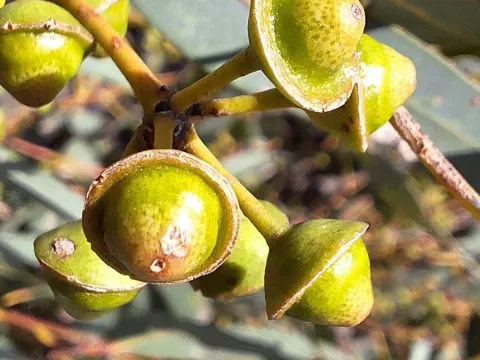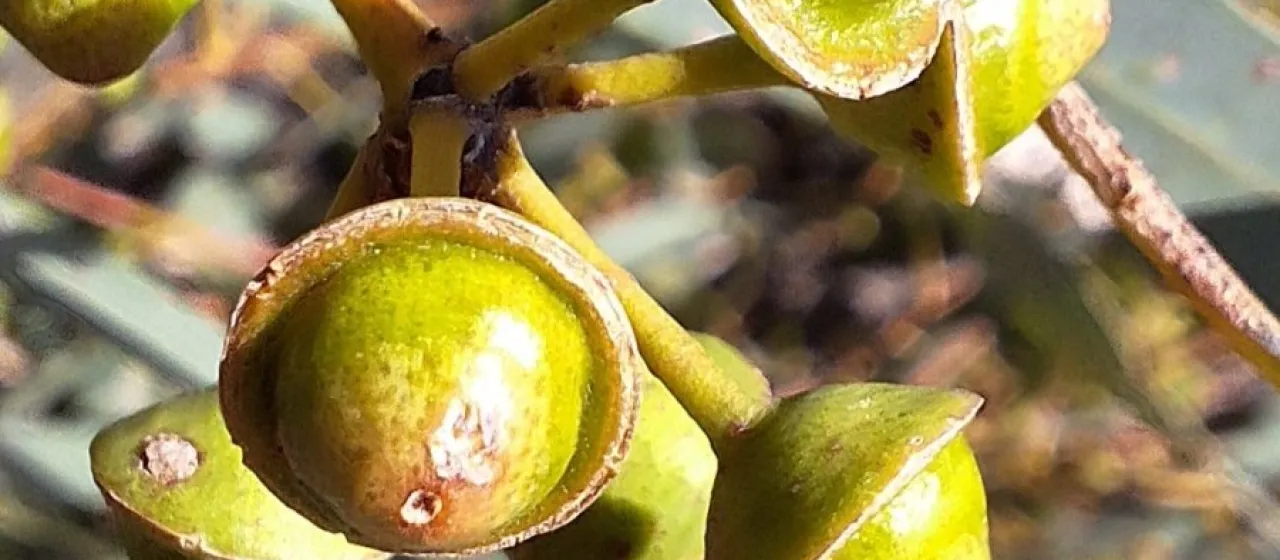
Description
Eucalyptus camaldulensis, commonly known as river red gum, is a fast-growing evergreen tree belonging to the Myrtaceae family. Hybridized strains, such as those crossed with Eucalyptus globulus, are widely recognized in modern forestry for their high biomass production and resilience. This species is one of the most widely planted eucalyptus trees globally for commercial timber and land reclamation purposes.
The native range of this species is Australia, where it naturally occurs along river banks and floodplains. Due to its remarkable hardiness, it has been introduced to subtropical and tropical regions across Africa, Asia, and the Americas. The species is highly valued for its ability to thrive in regions where other commercial timber species might fail due to environmental stress.
Botanically, the river red gum is characterized by its smooth, shedding bark and long, pendulous leaves containing essential oils. The tree develops a deep root system, which is an evolutionary adaptation to survive the fluctuating water levels of its native habitat. This biological trait allows it to be used effectively in projects aimed at improving soil stability and groundwater management.
Successful cultivation requires full sun exposure and a frost-free climate. While the tree is remarkably adaptable to various soil types, including saline and sandy soils, it produces the best yields on deep, well-drained loamy soils. Agricultural management practices include weeding in the early establishment phase, proper irrigation during the first two years of growth, and nutritional supplementation to maximize timber increment.
The economic value of this crop is multifaceted, spanning several industries:
- pulp and paper industry production;
- sawn timber for construction and furniture manufacturing;
- extraction of essential oils used in pharmaceuticals;
- environmental conservation, including windbreaks and erosion control.
Despite its toughness, the species can be susceptible to specific pathogens, including leaf spot diseases and various wood-boring insects. Management involves regular monitoring of plantation health and the implementation of integrated pest management strategies. Ensuring the correct spacing between plants is crucial to promote air circulation and reduce the incidence of fungal outbreaks.
Photo gallery