Description
Argyle apple (Eucalyptus cinerea F. Muell. ex Benth.) is a prominent evergreen species belonging to the Myrtaceae family. Known for its distinct silvery-grey, orbicular foliage, it is widely recognized in the horticultural industry as both a garden ornamental and a key component in commercial floral production.
The species is native to southeastern Australia, specifically within the regions of New South Wales and Victoria. It naturally thrives in diverse environments, ranging from rocky hillsides to open woodlands. Due to its adaptability, it has been successfully introduced to various temperate and subtropical regions globally, where it is farmed for its aromatic and decorative properties.
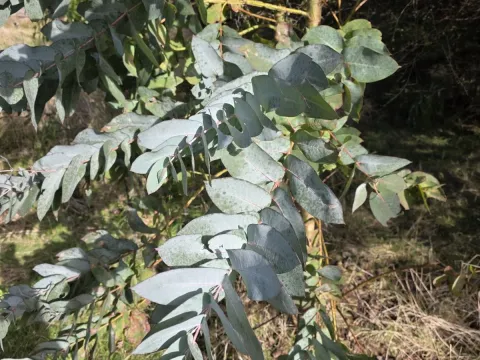
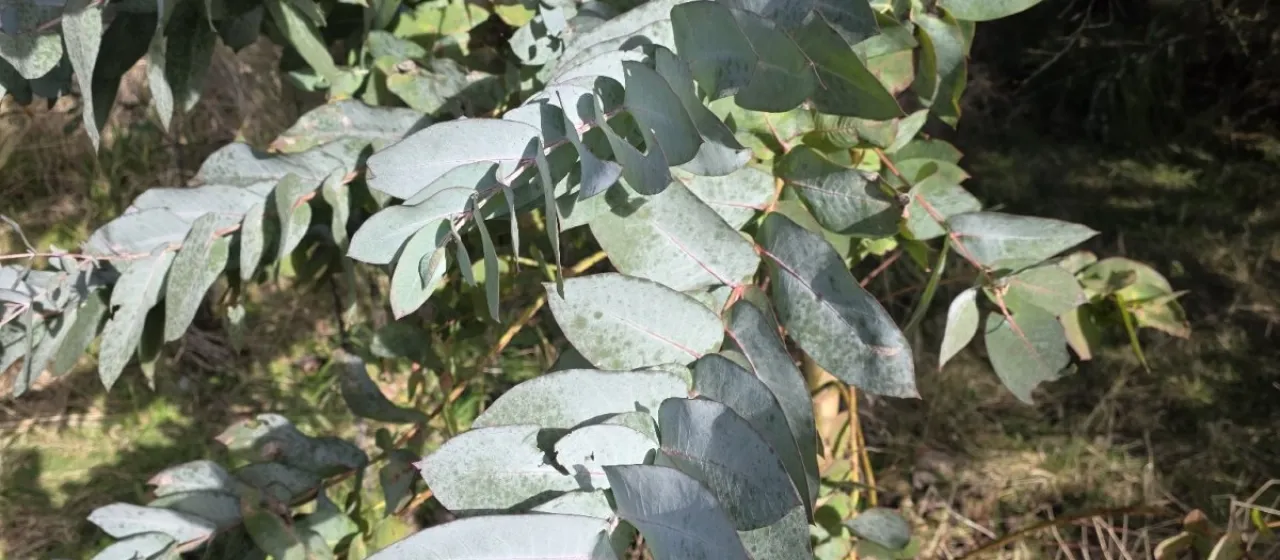
Botanically, Eucalyptus cinerea is characterized by its juvenile leaves, which are sessile and heart-shaped, coated with a glaucous waxy layer. The bark is typically fibrous and persistent, providing a stark contrast to the light-colored, drooping foliage. The plant produces small, white flower clusters that bloom during the summer months.
Agronomic requirements for this crop involve deep, well-draining soils with a slightly acidic to neutral pH. It is a sun-loving plant that requires full exposure to thrive and maintain its characteristic silver coloration. While it possesses significant drought tolerance once established, consistent soil moisture during the initial growth stages is essential for optimal biomass production.
The primary commercial application of the Argyle apple is in the floriculture sector, where its long-lasting, fragrant stems are highly sought after for floral arrangements. Additionally, the leaves contain essential oils with potential industrial uses in fragrance and medicinal products. Strategic pruning is fundamental to maintaining plant vigor and ensuring a continuous yield of high-quality foliage.
- High demand in floral design
- Resilience to poor soils
- Need for full sun exposure
- Sensitive to heavy frosts
The crop is susceptible to several pests, including psyllids, aphids, and mites, which can cause significant foliar damage. Proper scouting and integrated pest management strategies are necessary to protect the yield. Fungal issues, such as leaf spot or root rot, may occur in poorly drained substrates, necessitating strict water management protocols and good air circulation within the planting area.
Photo gallery