Description
Eucalyptus cladocalyx, widely known as the Sugar Gum, is a fast-growing, evergreen tree species belonging to the Myrtaceae family. Renowned for its tall, straight trunk and smooth, mottled bark that peels away annually, it is a significant species in both its native habitat and international forestry programs.
The species is indigenous to South Australia. It has demonstrated remarkable adaptability to various Mediterranean-type climates globally. Its evolutionary success is largely attributed to its physiological efficiency, which allows it to thrive in regions where seasonal droughts are a recurring challenge for other agricultural and forestry crops.
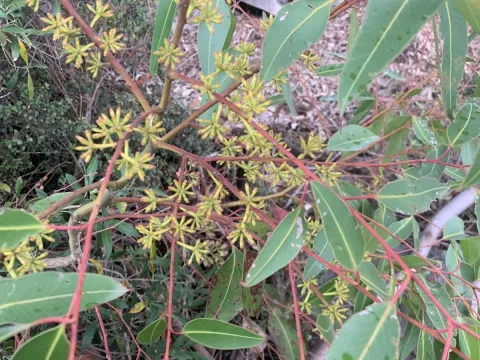
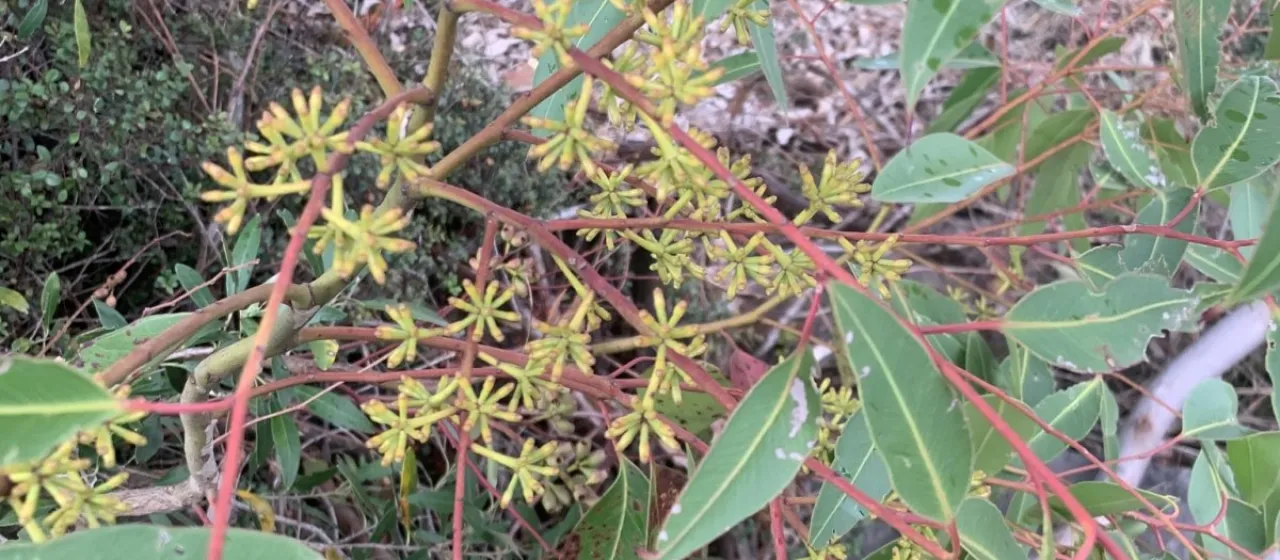
Botanically, the tree is characterized by its narrow, glossy, dark green leaves and clusters of small, white flowers. The fruit consists of woody, urn-shaped capsules containing numerous tiny seeds. The root structure is aggressive and deep, designed to maximize water uptake from deep soil profiles, which contributes to its status as a highly drought-tolerant variety.
In terms of silviculture, Sugar Gum requires full sun exposure and well-drained soil types. While it can survive on relatively poor soils, optimal growth rates are achieved in fertile, loamy conditions. Young plants must be protected during their initial establishment phase, but once mature, they are exceptionally hardy and require minimal maintenance input.
Key economic and practical applications include:
- Timber production, as the wood is hard, durable, and highly valued for heavy construction.
- Windbreak and shelterbelt establishment to protect agricultural crops and livestock.
- Erosion control in sensitive landscapes prone to soil degradation.
- Honey production, as the flowers are an excellent source of nectar for apiaries.
Despite its robustness, the species can be susceptible to certain pests, such as the eucalyptus snout beetle or various lerp-forming insects. Pathogens affecting foliage are generally a concern only in areas with poor airflow or excessively high humidity. Integrated pest management, focusing on proper spacing and tree vitality, remains the best practice for maintaining healthy stands.
Photo gallery