Description
Eucalyptus dalrympleana, commonly known as the White Gum, is a large, fast-growing evergreen tree belonging to the Myrtaceae family. It is highly valued for its striking appearance, characterized by smooth, white to creamy bark that sheds annually, and its impressive height, which can reach over 40 meters in optimal conditions.
Native to the mountainous regions of southeastern Australia and Tasmania, this species is well-adapted to cooler climates. Among the eucalyptus genus, it is recognized for its superior cold tolerance compared to many other species, allowing it to thrive in regions where winter temperatures occasionally drop below freezing. Its natural habitat is typically mountainous, cool, and moist.
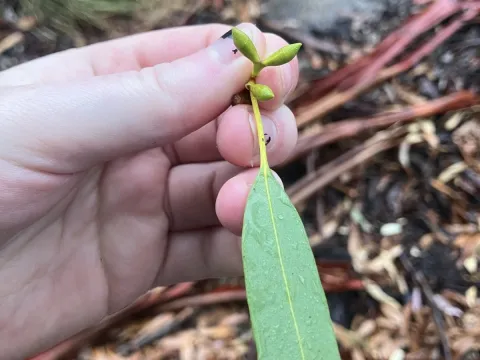
Botanically, the species is defined by its juvenile foliage, which is often ovate and glaucous, transitioning to adult lanceolate leaves rich in volatile oils. The tree has a vigorous root system, which contributes to its rapid growth rate and stability. These physiological adaptations allow it to compete effectively in diverse environmental settings and utilize available nutrients efficiently during the growing season.
Regarding agrotechnical requirements, Eucalyptus dalrympleana prefers deep, fertile, and well-drained soils. While it is adaptable, it performs poorly in waterlogged soils where root aeration is restricted. Proper site selection is crucial for successful cultivation. During the establishment phase, supplemental irrigation may be necessary to ensure survival, while weed control in young plantations is essential to prevent resource competition.
The economic value of this tree is diverse. Its timber is widely used in the production of pulp for the paper industry, as well as for structural wood applications and high-quality joinery. Additionally, the leaves contain essential oils that are processed for pharmaceutical and industrial uses. Its fast growth rate also makes it an excellent choice for reforestation projects aimed at sequestering carbon and restoring degraded forest ecosystems.
Pests and diseases are manageable with proper forest management practices. Common issues include defoliation by leaf beetles (Chrysophtharta species) and potential fungal infections that thrive in high-humidity environments. Implementing integrated pest management (IPM) strategies, maintaining appropriate planting density, and ensuring good air circulation within the stand are key factors in maintaining healthy and productive eucalyptus plantations.
Photo gallery