Description
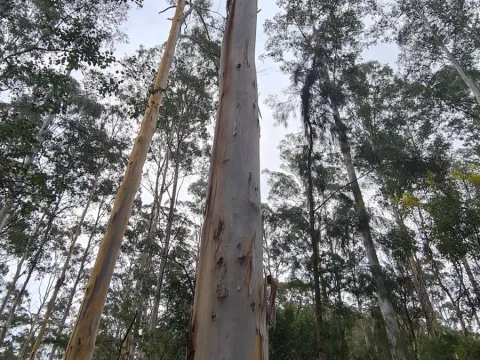
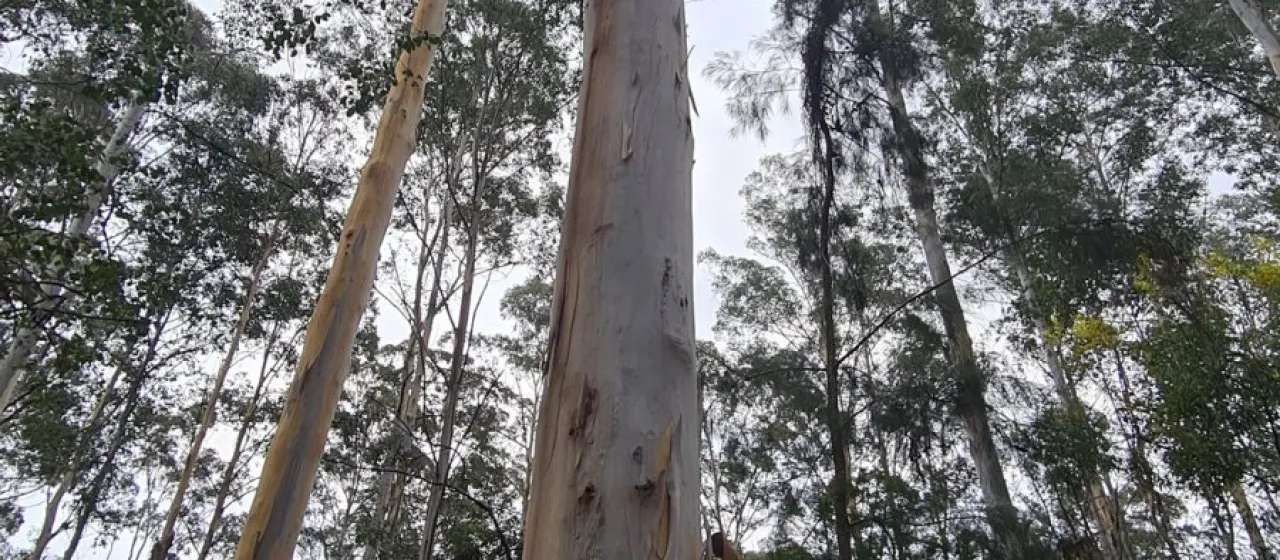
Eucalyptus deanei, commonly known as Deane's blue gum, is a tall tree species belonging to the Myrtaceae family. It is recognized for its impressive growth rate and straight, tall trunk, making it a valuable species for plantation forestry. In ideal conditions, this tree can reach heights of 60 meters, contributing significantly to forest biomass production.
The species is native to the coastal regions of New South Wales in Australia. It naturally thrives in river valleys and on fertile, moist slopes. Over time, its cultivation has expanded to various international regions that mirror its native subtropical climate, where it is valued for its hardiness and rapid development in managed forest settings.
Botanically, Eucalyptus deanei is distinguished by its smooth, peeling bark that creates a striking texture on the trunk. Its foliage consists of aromatic, lance-shaped leaves that are typical of the genus. The tree produces clusters of flowers that serve as an important source of nectar for local pollinators, which is an ecological benefit in its growing regions.
Successful cultivation requires deep, fertile, and well-drained soils. Eucalyptus deanei is sensitive to extreme frost, preferring moderate temperatures throughout the year. Agronomic practices should focus on site preparation, weed control during the establishment phase, and maintaining appropriate moisture levels to ensure the saplings develop robust root systems.
The economic importance of Eucalyptus deanei is primarily tied to its high-quality hardwood. This timber is durable and versatile, serving various industries. Its applications include:
- Structural lumber for construction and house framing.
- High-end furniture manufacturing and flooring.
- Pulp and paper production due to its wood fiber characteristics.
- Windbreaks for protecting surrounding agricultural plots.
Pest management is a critical aspect of commercial eucalyptus farming. Eucalyptus deanei can be susceptible to defoliating insects, such as the eucalyptus snout beetle, and certain fungal pathogens in overly humid conditions. Integrated pest management, including monitoring and biological control, is essential for maintaining the health and productivity of the forest stand.
Photo gallery