Description
Alpine ash (Eucalyptus delegatensis), a member of the Myrtaceae family, is a tall, evergreen tree species highly valued in forestry for its straight trunk and rapid growth rate. In its native habitat, it stands as one of the tallest hardwood trees globally, often exceeding 60 meters in height under optimal conditions. It is a key species in mountain forest ecosystems.
The tree originates from the high-altitude, cool-climate regions of south-eastern Australia, including New South Wales, Victoria, and Tasmania. It thrives in areas with consistent rainfall and cool, misty conditions. Because of these specific requirements, its cultivation is largely restricted to temperate zones that mimic the cool, moist highland environments of its natural range.
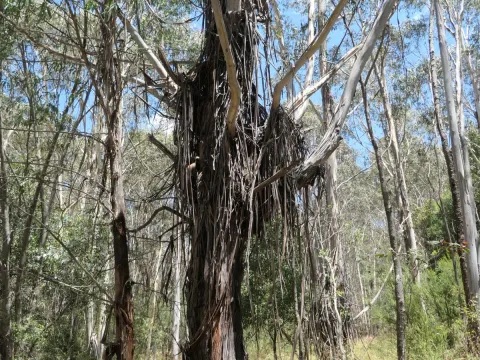
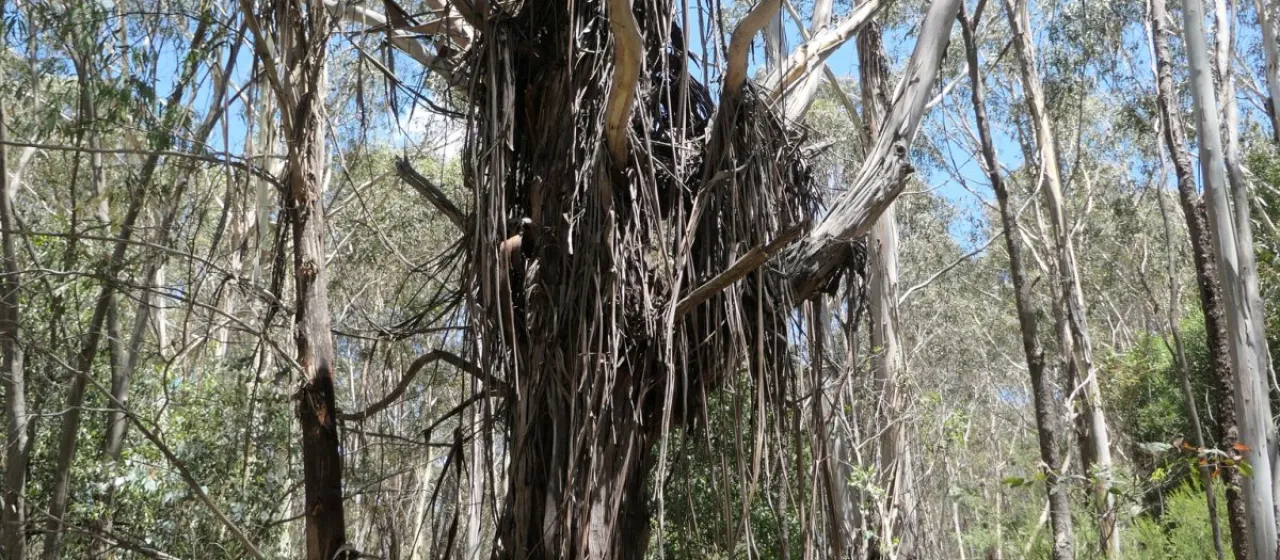
Botanically, Eucalyptus delegatensis is characterized by its distinct bark, which is rough, fibrous, and dark-grey at the base, transitioning to smooth, pale bark on the upper branches. The leaves are leathery, lanceolate, and glaucous, providing the tree with a distinct blue-green appearance. The flowers are small and white, typically produced in late summer, followed by woody capsules that contain small, viable seeds.
Successful cultivation requires deep, well-drained, acidic to neutral soils. The species is highly intolerant of waterlogged conditions and can be sensitive to frost when young. Agricultural management involves site preparation, competition control to reduce weeds, and ensuring proper spacing between trees to allow for crown expansion and uniform trunk development throughout the growth cycle.
Economically, Alpine ash is a primary source of high-quality hardwood timber. It is widely used for flooring, furniture production, general construction, and wood pulping. The species is susceptible to various pests, including leaf-eating insects and fungal pathogens that affect the roots or canopy. Effective forest management programs focus on maintaining biodiversity and preventing disease outbreaks to ensure long-term sustainability.
Photo gallery