Description
Eucalyptus diversicolor, widely known as the Karri tree, is a magnificent evergreen species belonging to the Myrtaceae family. It is recognized as one of the tallest flowering plants globally, characterized by its impressive height and straight, towering trunk which is highly valued in its native ecosystem.
The species is endemic to the high-rainfall regions of south-western Western Australia. Its natural range is restricted to areas with a Mediterranean climate that provides stable temperatures and sufficient annual precipitation, which are critical for the survival and healthy growth of this majestic tree.
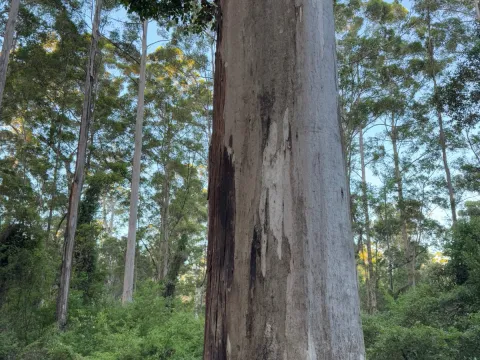
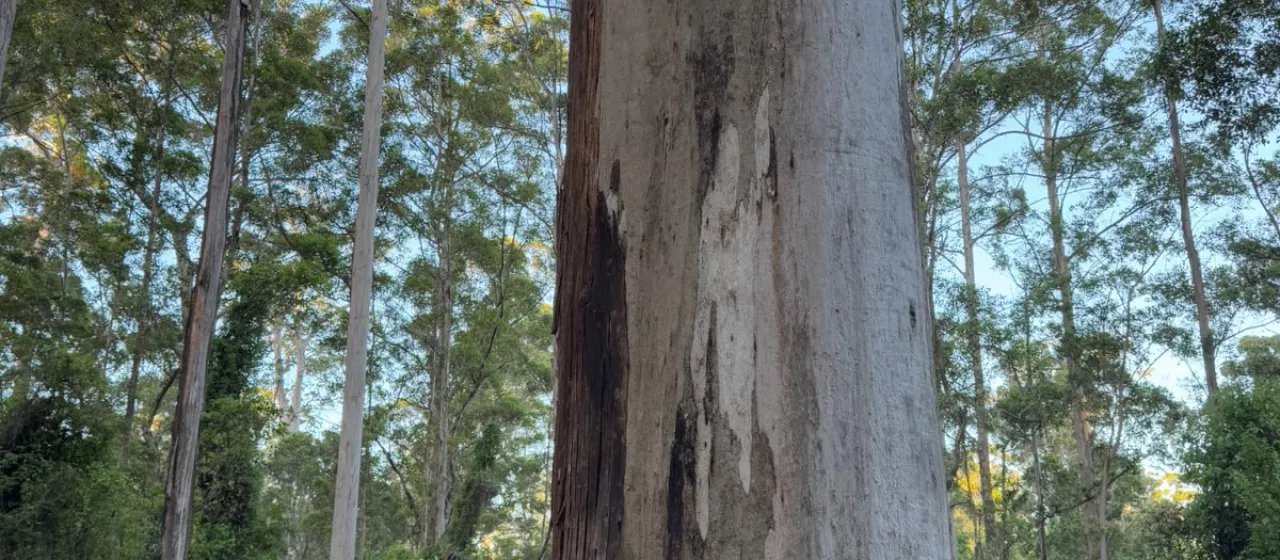
Botanically, the tree is distinguished by its smooth, mottled bark that sheds in patches, revealing hues of grey, cream, and salmon. The leaves are broad and ovate when juvenile, transitioning to lanceolate shapes at maturity. The flowering period produces clusters of creamy-white blooms that serve as a vital nectar source for local fauna.
Agronomic requirements for successful cultivation include well-draining, deep, and nutrient-rich soils. The tree is intolerant of waterlogging and requires a consistent water supply during its early developmental stages. It thrives best in full sun exposure and generally requires a climate free from severe, sustained frosts to flourish to its maximum potential.
Economically, Karri is a primary source of high-quality, durable timber used extensively in heavy-duty construction and high-end joinery. While its wood is a key commodity, the tree is also managed in forestry programs to support biodiversity. Common pests include various wood-boring insects, while root rot pathogens remain a significant concern in less-than-ideal soil conditions.
- Rapid height increment in favorable conditions
- Excellent timber density and strength
- Essential role in forest ecosystem conservation
- Susceptibility to specific fungal diseases in wet soil
Photo gallery