Description
The River peppermint (Eucalyptus elata) is a tall, evergreen tree belonging to the Myrtaceae family. Known for its elegant appearance and thin, peppermint-scented leaves, it is a highly valued species in commercial forestry and essential oil production due to its rapid growth rate and high biomass accumulation.
Originally native to southeastern Australia, the tree thrives in riparian zones and moist, deep forest soils. Today, it is cultivated in various temperate and subtropical regions worldwide, provided there is minimal risk of severe frosts, as the species prefers consistent warmth and high humidity to reach its full development potential.
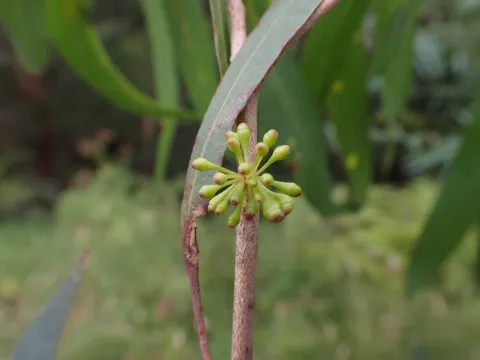
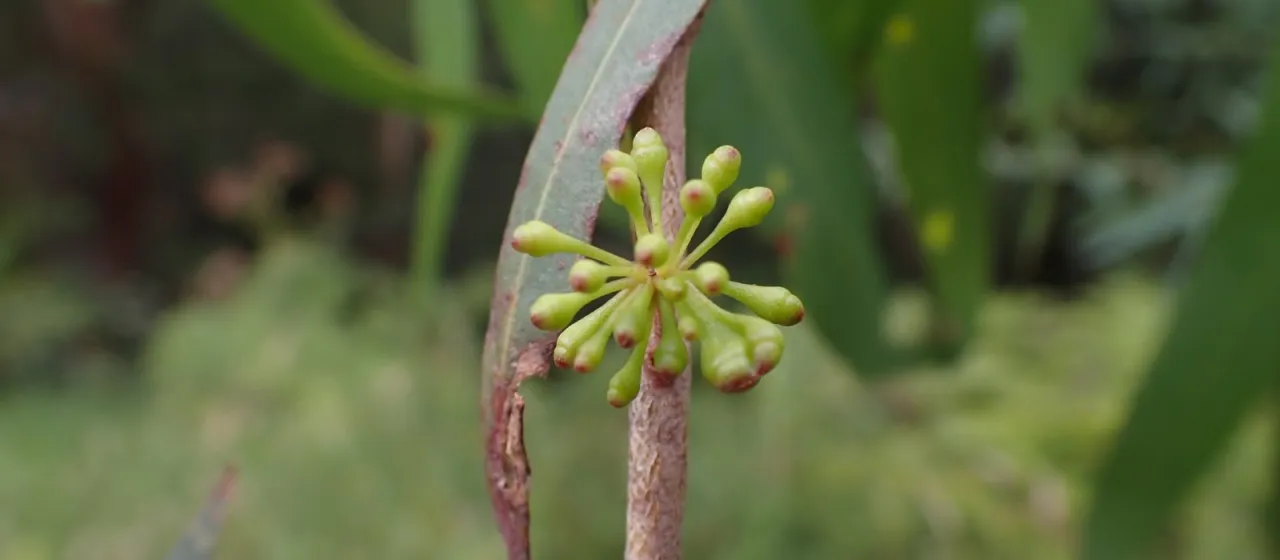
Botanically, Eucalyptus elata is identified by its narrow, willow-like leaves and smooth, shedding bark that reveals lighter tones underneath. The white flowers appear in clusters, providing high nectar value for local pollinators. The tree's crown tends to droop gracefully, which contributes to its aesthetic appeal in large landscapes.
In terms of silviculture, the River peppermint requires well-drained, nutrient-rich soils. While it exhibits high water requirements, planting sites must avoid stagnant water to prevent root rot. Sufficient sunlight is crucial, and young seedlings benefit from weed control and protection from wind until the root system is firmly established.
The primary agricultural and economic uses include:
- Extraction of essential oils rich in piperitone for medical and fragrance industries.
- Production of high-quality pulp and timber for industrial construction.
- Soil stabilization and drainage of damp areas through transpiration.
- Environmental restoration and planting of high-density windbreaks.
Typical plant health issues involve leaf-chewing insects, such as the eucalyptus snout beetle, and specific fungal pathogens occurring in poorly ventilated environments. Maintaining proper spacing and regular sanitation pruning are the best practices for preventing disease outbreaks and ensuring the long-term vitality of the plantation.
Photo gallery