Description
Eucalyptus largiflorens, commonly known as the Black box, is an evergreen tree belonging to the Myrtaceae family. It is recognized for its dense, dark, and rough bark, which provides a distinct appearance. This species is highly valued for its resilience and ability to thrive in environments that challenge many other types of woody plants.
Native to Australia, the tree is primarily found in the interior riverine plains of the Murray-Darling basin. It has evolved to tolerate a wide range of conditions, specifically favoring floodplains that undergo intermittent periods of inundation, making it a key species in riparian and semi-arid ecosystems.
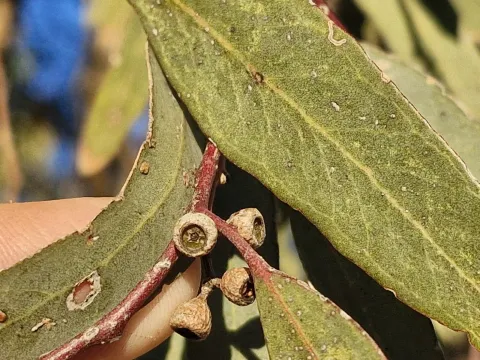
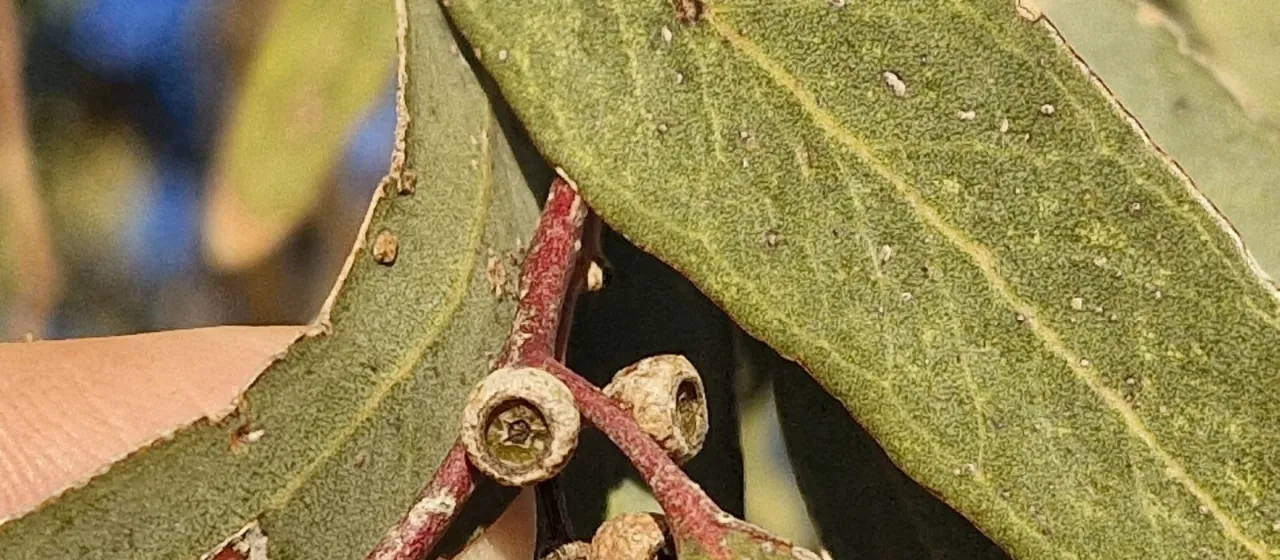
Botanically, the tree reaches a mature height of approximately 20 meters with a spreading crown. Its leaves are grey-green, leathery, and lanceolate, while the flowers are small and prolific, serving as an excellent source of nectar. The timber is exceptionally dense and durable, showing significant resistance to decay even when placed in contact with soil.
Regarding agrotechnology, Eucalyptus largiflorens requires heavy clay soils that can retain some moisture. It is noted for its high salinity tolerance, which allows it to be used in land restoration projects. While it is hardy in arid climates, young saplings require consistent moisture to establish their root systems before they develop full drought-resistant properties.
Economic applications for this species include:
- The production of high-density timber for heavy-duty fencing and railway sleepers.
- Support for the apiculture industry, as it is a significant honey source.
- Usage in windbreaks and shelterbelts to mitigate soil erosion.
- Biological control and reclamation of salt-affected agricultural lands.
Typical plant health challenges include infestations by leaf-eating insects and certain types of fungal pathogens that target the foliage. Farmers should focus on site selection to avoid extreme waterlogging that could lead to root decay, while also implementing monitoring programs to manage pest populations effectively.
Photo gallery