Description
Yellow gum (Eucalyptus leucoxylon F. Muell.) is a notable member of the Myrtaceae family, widely recognized for its striking smooth bark that peels off in patches. This evergreen tree can grow to significant heights, and it is highly valued for both its aesthetic appeal and its economic potential as a versatile agricultural crop in suitable climates.
Native to southeastern Australia, the species has been successfully introduced to various parts of the world with temperate and Mediterranean climates. Its ability to tolerate diverse environmental conditions has made it a preferred choice for large-scale forestry projects and ornamental landscaping in many regions beyond its original range.
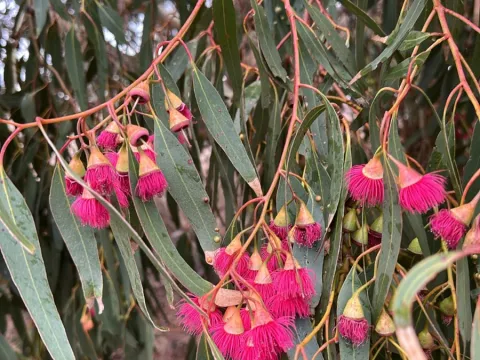
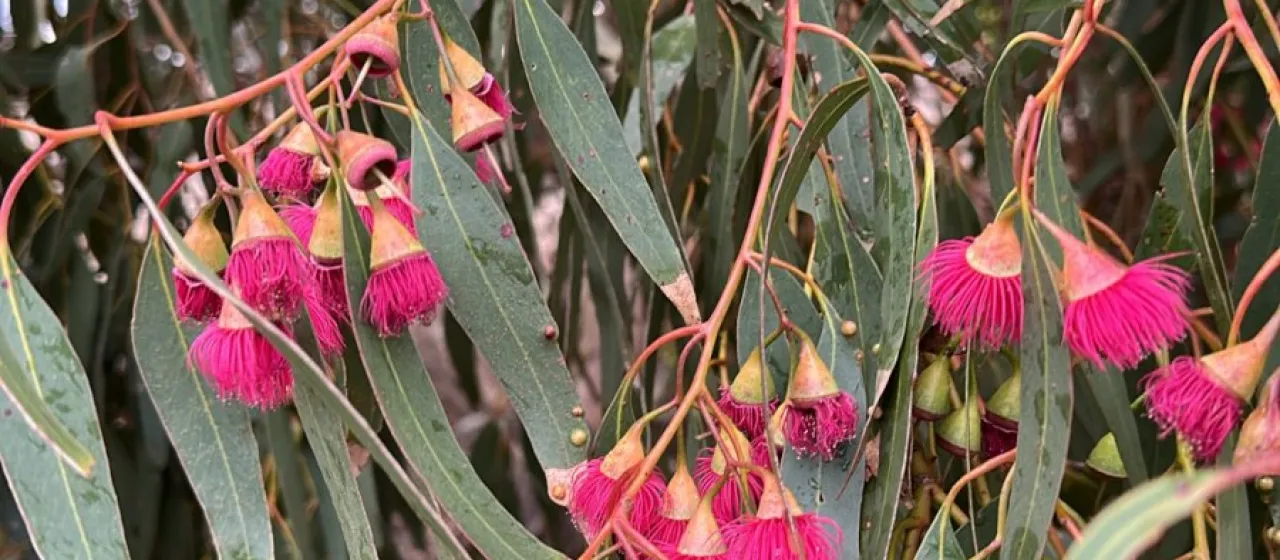
Botanically, the tree is defined by its lanceolate, aromatic leaves rich in essential oils and its vibrant flowers. The blossom can range from white and cream to soft pink or deep red, making it an excellent source of nectar for pollinators. The fruit consists of woody capsules containing numerous seeds that facilitate natural and artificial propagation.
Regarding agrotechnology, the species prefers well-drained soils and thrives in full sun exposure. It displays moderate drought tolerance once established, though consistent moisture is required for optimal growth rates in juvenile stages. Proper pruning and soil management are essential to maintain tree health and ensure a uniform growth habit in plantation settings.
Economically, the tree is prized for its high-quality nectar, which contributes to commercial honey production. Its wood is dense and durable, making it suitable for high-quality furniture, construction, and tool handles. Furthermore, the foliage is harvested for the extraction of aromatic oils used in medicinal and pharmaceutical applications worldwide.
- Significant honey production capacity
- Durable and aesthetic timber quality
- Adaptability to Mediterranean climates
- Pollinator-friendly floral structure
- Rapid growth in sheltered environments
The tree may be affected by leaf-eating insects and occasionally by fungal diseases, particularly in humid or stagnant air conditions. Integrated pest management, focusing on biological controls and proper site selection, is the most effective way to prevent outbreaks. Regular health assessments ensure that the trees remain productive throughout their life cycle.
Photo gallery