Description
Eucalyptus macrorhyncha, commonly known as Red Stringybark, is a hardy, evergreen tree species belonging to the Myrtaceae family. It is widely recognized for its rough, stringy bark and its ability to thrive in diverse environments, making it a valuable subject for both scientific study and commercial forestry.
Originating from southeastern Australia, this species is well-adapted to the temperate climates of New South Wales and Victoria. It is typically found in dry sclerophyll forests and on moderate slopes where the soil may be shallow or nutrient-deficient. Its natural resilience allows it to withstand environmental stressors that would be fatal to less robust tree species.
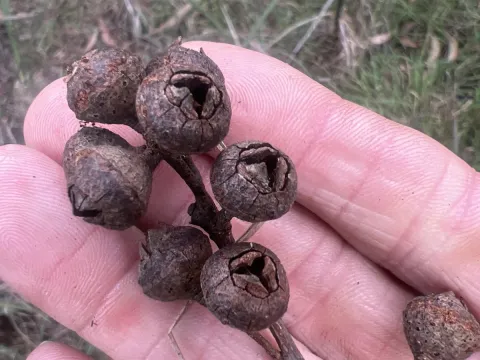
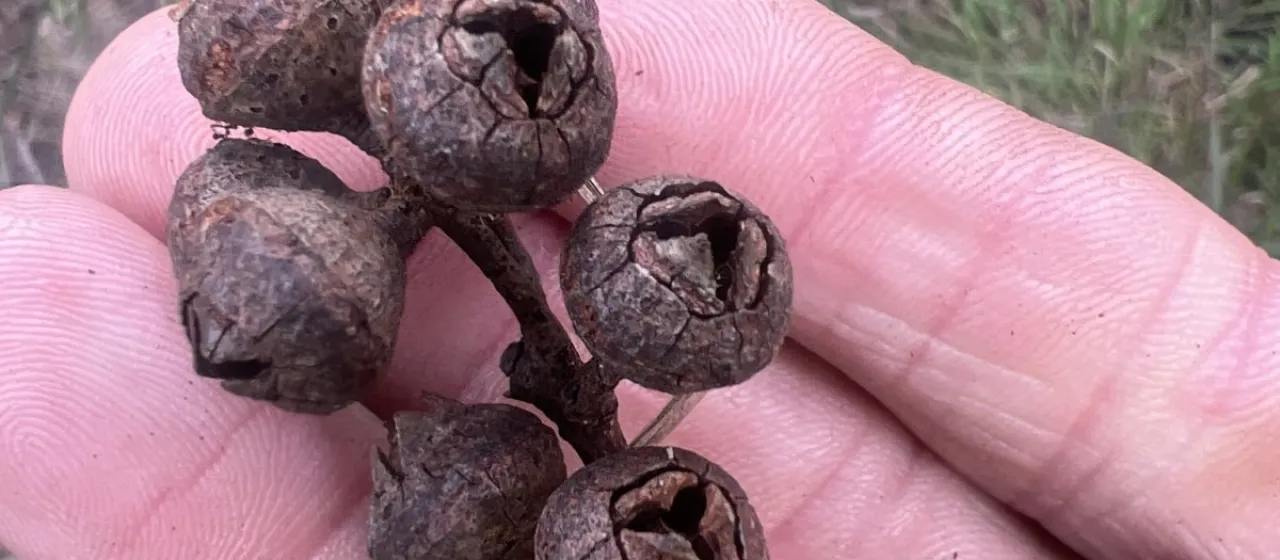
Botanically, Eucalyptus macrorhyncha is characterized by its fibrous, deeply furrowed bark and distinctive, prominently beaked fruit. The tree typically reaches a height of 15 to 30 meters. The leaves are lanceolate, grey-green, and contain a high concentration of aromatic oils, which serves as a defensive mechanism against herbivores and environmental heat.
The cultivation of this eucalyptus species requires attention to soil drainage, as it does not tolerate waterlogging. It is relatively frost-tolerant compared to other eucalyptus varieties, enabling growth in diverse zones. Proper site selection should prioritize locations with adequate sun exposure, which is critical for maximizing the tree's health and oil production capacity.
The primary economic and practical applications include:
- Extraction of high-quality cineole-rich essential oils.
- Utilization of its durable, insect-resistant timber for structural purposes.
- Conservation efforts focusing on soil erosion control and forest restoration.
- Provision of significant nectar sources for the apiculture industry.
Common agricultural challenges include susceptibility to fungal pathogens in high-humidity climates and infestation by defoliating insects. Regular monitoring and appropriate silvicultural management, such as thinning and pruning, are essential to maintain the productivity and longevity of plantations. Integrated pest management strategies are highly recommended for large-scale operations.
Photo gallery