Description
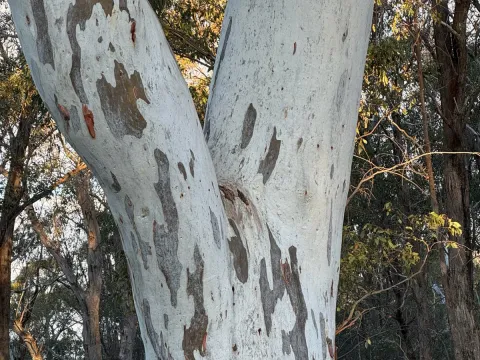
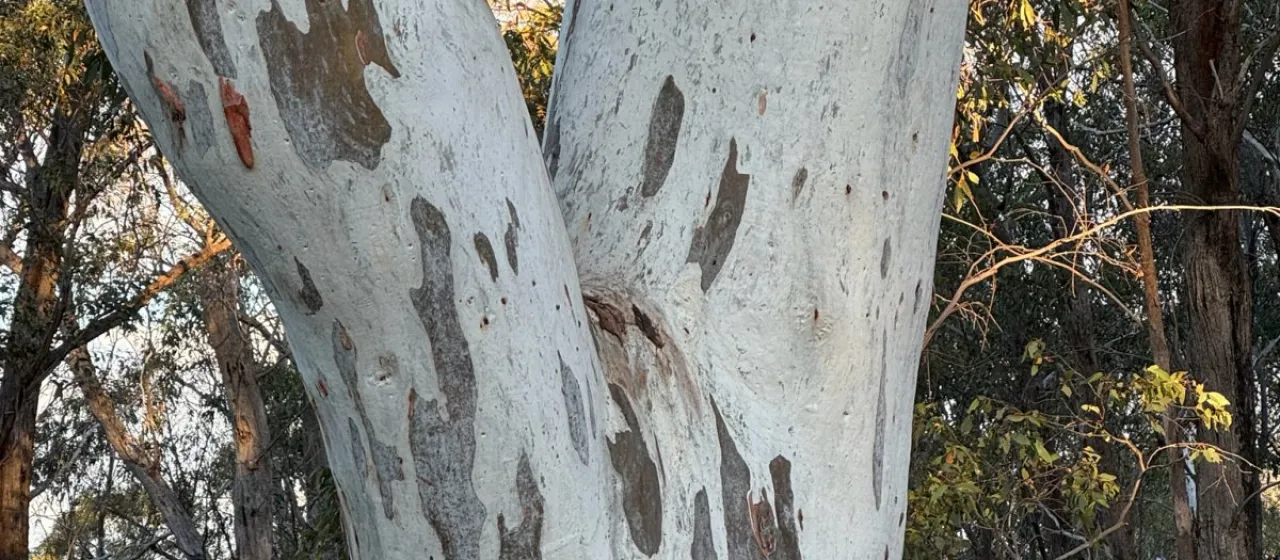
Eucalyptus mannifera, commonly known as the Brittle Gum, is an evergreen tree species belonging to the Myrtaceae family. It is widely recognized for its smooth, patchy bark, which sheds in irregular flakes, revealing a trunk that ranges in color from creamy white to pale pink or gray, making it a distinct feature in any landscape.
Native to southeastern Australia, the Brittle Gum thrives in diverse environments, ranging from rocky hillsides to open forest landscapes. Due to its adaptability, it has been introduced to various temperate regions worldwide, where it is valued for its resilience and ability to grow in challenging soil conditions where other species might fail.
Botanically, the species is characterized by its lance-shaped leaves, which are rich in aromatic essential oils. The flowers are small, creamy-white, and produced in clusters, attracting a variety of pollinators, including bees and birds. The tree's growth habit is typically upright, providing a light, dappled shade that is highly suitable for sustainable forestry and agroforestry practices.
Successful cultivation of Eucalyptus mannifera requires sites with full sun exposure and well-drained, slightly acidic soil. While mature trees are highly drought-tolerant, young specimens require consistent irrigation during the establishment phase. Proper spacing is essential to ensure adequate airflow, which prevents the development of fungal pathogens and promotes uniform growth.
The agricultural and economic uses of the Brittle Gum include:
- Soil erosion control in wind-exposed agricultural areas.
- Production of high-quality, durable timber for fencing and small-scale construction.
- Nectar source for apiculture, producing high-quality honey.
- Landscaping and urban greening projects due to its ornamental bark.
The species is generally robust, but it can be susceptible to pests such as the eucalyptus weevil or scale insects, especially when stressed by poor drainage or nutrient deficiency. Maintaining soil health and regular pruning of dead or diseased branches are critical management practices to ensure the long-term vitality of these trees.
Photo gallery