Description
Eucalyptus microtheca, commonly known as the coolibah, is a resilient tree species belonging to the Myrtaceae family. Renowned for its extraordinary durability, this species is highly valued in forestry and land reclamation projects due to its ability to thrive in challenging environments where other timber species would fail.
The native habitat of this species is primarily across the northern and central interior regions of Australia. It is geographically adapted to extreme climate zones, where it is found in diverse settings, ranging from arid, dusty plains to floodplains that undergo intermittent inundation, demonstrating an unparalleled level of ecological versatility.
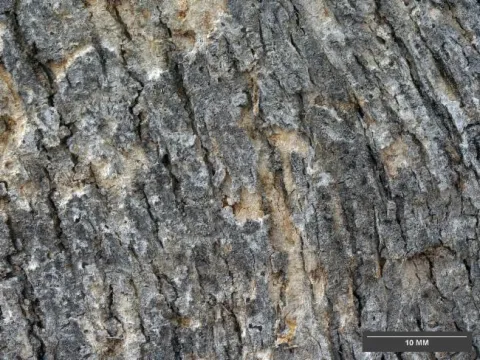
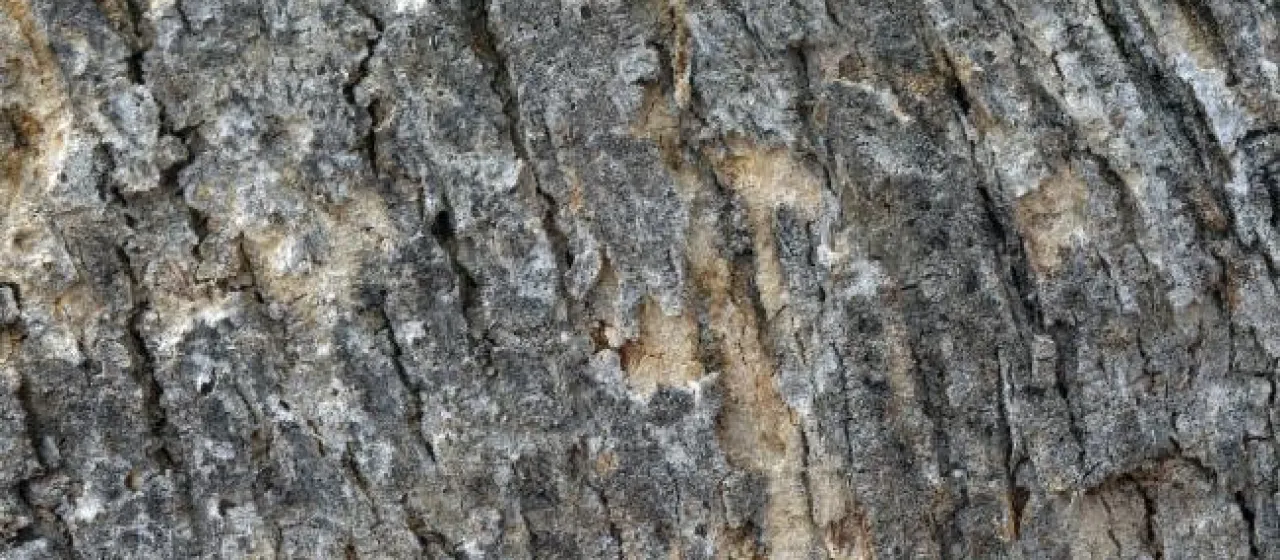
Botanically, the coolibah is a medium-sized tree characterized by its rough, fibrous, persistent bark and drooping, grey-green foliage. The leaves are specifically evolved to minimize transpiration, containing essential oils that provide natural protection against extreme heat and help the plant maintain water balance during prolonged drought conditions.
In terms of agricultural practice, Eucalyptus microtheca requires minimal intervention once established, though selecting a site with adequate drainage is beneficial for optimal growth. It is highly adaptive to a variety of soil types, including saline and heavy clay soils, and does not require intensive irrigation, making it a sustainable choice for reforestation in semi-arid areas.
- Exceptional tolerance to high salinity and drought.
- High wood density suitable for fencing and structural construction.
- Effective utility in windbreak and shelterbelt establishment.
- Significant resistance to common termite damage.
From an industrial perspective, the wood of the coolibah is prized for its extreme density, hardness, and durability. While the species is generally robust, growers should remain vigilant against common pests such as leaf-eating beetles and wood-boring insects. Proper plantation spacing and monitoring for fungal pathogens are essential to ensure the long-term health and productivity of the tree crop.
Photo gallery