Description
Yellow stringybark (Eucalyptus muelleriana) is a significant evergreen tree species belonging to the Myrtaceae family. It is widely recognized in forestry circles for its impressive growth rate and the high durability of its heartwood, which makes it a preferred species for various industrial applications.
The species is native to southeastern Australia, particularly across New South Wales and Victoria. It typically thrives in regions with temperate maritime climates, preferring areas where the soil moisture remains relatively constant throughout the year to support its rapid development.
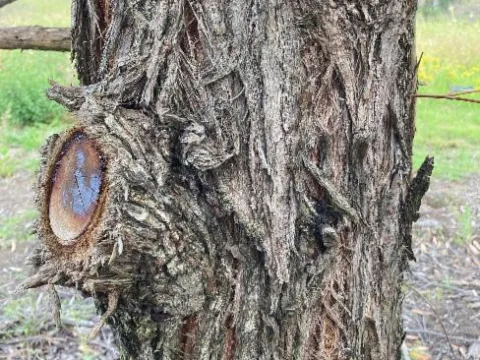
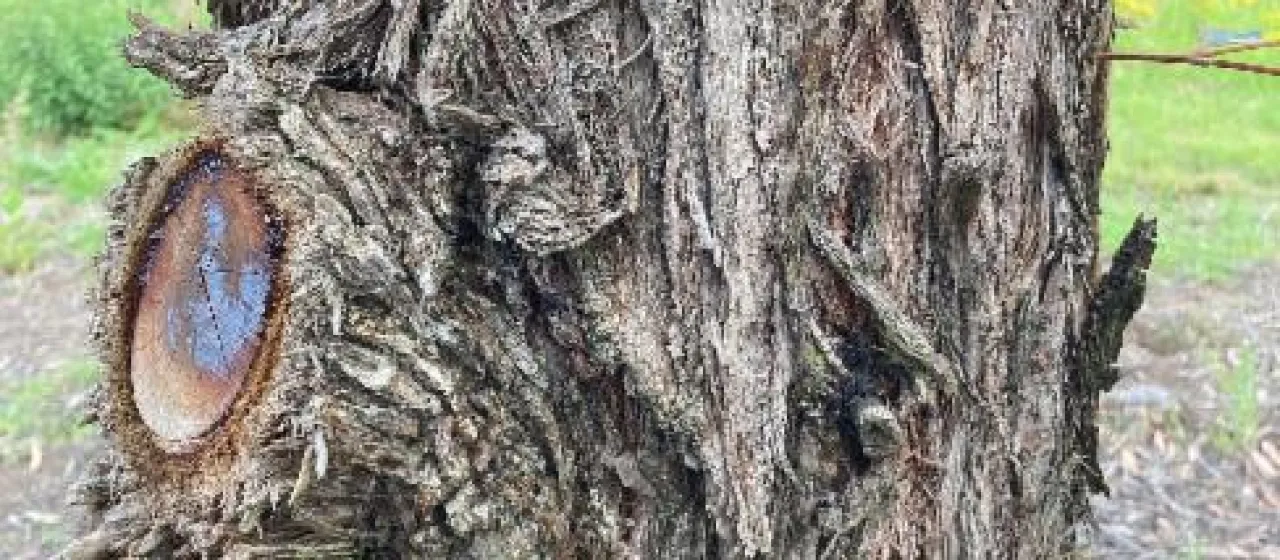
Botanically, the tree is distinct due to its rough, stringy bark that covers the trunk, while the upper branches remain smoother. The leaves are glossy, lance-shaped, and rich in oils, characteristic of the genus. In managed plantations, the species produces long, straight, and clear boles, which are highly valued for their dimensional stability.
Successful silviculture of Eucalyptus muelleriana requires deep, well-draining soils with moderate fertility. The species is moderately sensitive to frost, which dictates its geographic range for commercial planting. Agronomic management involves site preparation, vegetation control during the seedling stage, and density management to ensure uniform growth.
- Excellent strength and durability of the timber.
- High resistance to decay and termites.
- Valuable for heavy construction and flooring.
- Good capacity for natural regeneration.
The primary health concerns for this species include defoliating insects that can reduce annual increment and certain fungal pathogens that thrive in humid, stagnant air conditions. Integrated pest management, combined with appropriate site selection and thinning schedules, remains the best practice for maintaining healthy and productive stands.
Photo gallery