Description
Shining gum (Eucalyptus nitens) is a fast-growing evergreen tree species belonging to the Myrtaceae family. It is widely recognized in global forestry as one of the most productive species for timber and pulpwood production, known for its ability to reach harvestable size significantly faster than many native hardwood trees.
Native to the cool, high-altitude regions of south-eastern Australia, Eucalyptus nitens has been successfully introduced to various temperate climates worldwide. Today, it is a dominant plantation species in countries like Chile, South Africa, and New Zealand, where it is valued for its superior frost tolerance compared to most other eucalypt species.
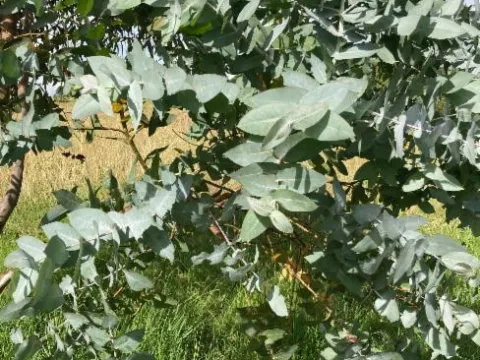
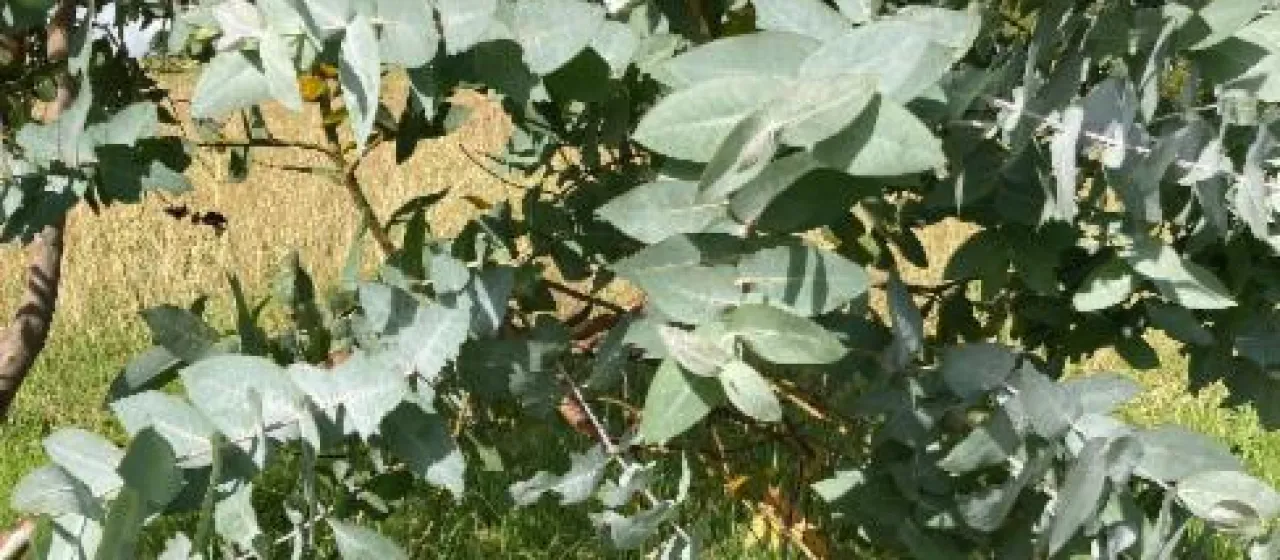
Botanically, the species is characterized by its smooth, silver-grey bark that sheds in long ribbons and its distinct, shiny, lance-shaped foliage. It can grow into a magnificent specimen up to 60 meters tall. The tree develops a strong root system that requires deep, well-structured soil to support its rapid canopy expansion and high nutrient demand.
Agronomic requirements for shining gum include deep, fertile, and well-drained soils. It thrives in regions with reliable annual rainfall and cool temperatures. Successful silviculture requires intensive site preparation, early weed control to minimize competition, and proper thinning regimes to maximize the production of high-quality, straight logs for industrial use.
- Production of high-quality chemical pulp for paper manufacturing.
- Manufacture of sawn timber, flooring, and furniture components.
- Renewable biomass energy production and carbon sequestration.
- Agroforestry projects aimed at land reclamation and soil stabilization.
The primary challenges in maintaining Eucalyptus nitens plantations involve susceptibility to specific fungal pathogens, such as Mycosphaerella leaf spot, and insect pests like the eucalyptus weevil. Integrated pest management (IPM) strategies, including the selection of resistant genotypes and regular forest health monitoring, are essential for successful commercial management.
Photo gallery