Description
The Messmate stringybark (Eucalyptus obliqua L'Hér.) is a prominent evergreen tree belonging to the Myrtaceae family. It holds a significant place in botanical history as the first eucalyptus species to be formally described. Known for its massive size and resilience, this species serves as a primary timber source and a vital component of the native forest ecosystems in its range.
Originating from southeastern Australia and Tasmania, this species thrives in diverse environments ranging from coastal plains to mountainous regions. It is highly adaptable to various climatic conditions, preferring areas with consistent rainfall. Its ability to tolerate mild frosts makes it a suitable candidate for commercial forestry in temperate regions, where it is often grown for its high-quality timber and fast growth rate.
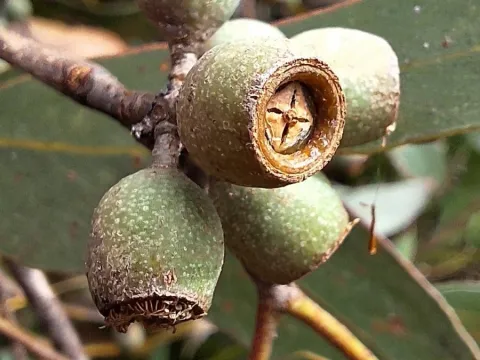
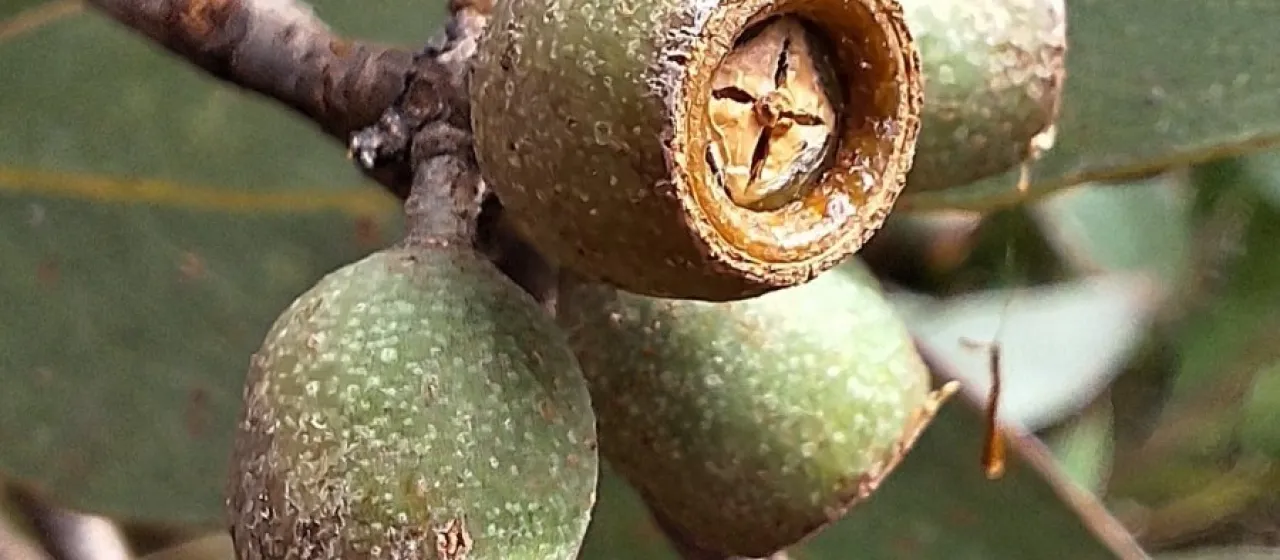
Botanically, the Messmate is defined by its thick, fibrous bark that extends even to its smaller branches. Its leaves are distinctively oblique at the base, which gives the species its specific epithet. The tree produces clusters of nectar-rich flowers that are highly attractive to pollinators, followed by woody capsule fruits that contain the plant's seeds, facilitating natural and artificial regeneration.
Successful cultivation of the Messmate stringybark requires deep, nutrient-rich, and well-drained soil profiles. As a light-demanding species, it performs best when planted in open areas with minimal competition during the establishment phase. Proper silvicultural management, including thinning and weed control in the first few years, is essential to promote straight stem growth and maximize the volume of merchantable timber.
- Timber production for construction, flooring, and furniture manufacturing.
- Pulp and paper industry feedstock due to fiber quality.
- Environmental restoration and plantation forestry.
- Bee forage for high-quality honey production.
Like many species in the genus, the Messmate stringybark is susceptible to certain leaf diseases and insect pests, such as leaf-eating beetles and wood-boring insects. Integrated Pest Management (IPM) strategies are recommended to maintain plantation health. With appropriate site selection and management, this species remains a highly productive and sustainable crop for forestry enterprises worldwide.
Photo gallery