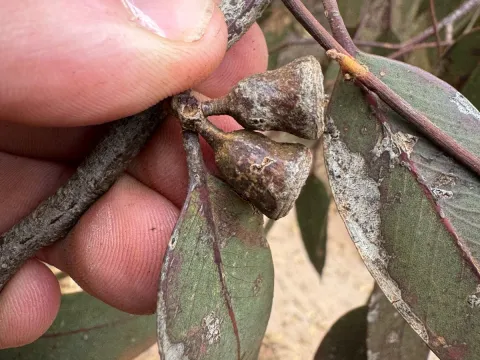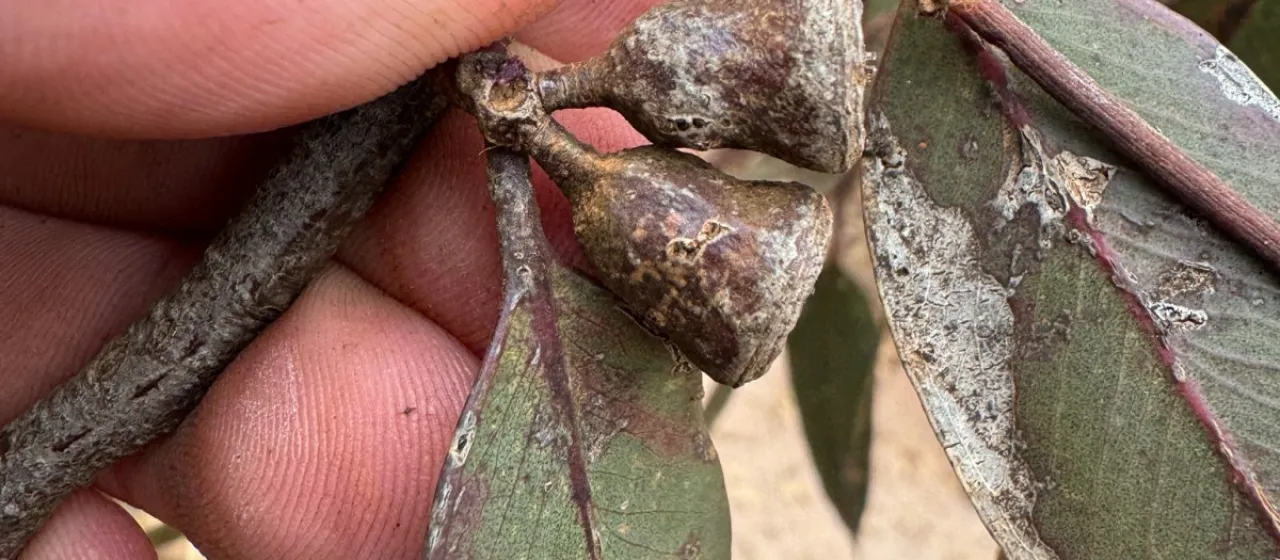
Description
Eucalyptus occidentalis, commonly known as swamp yate, is a robust evergreen species belonging to the Myrtaceae family. Native to Western Australia, it is recognized for its exceptional resilience in harsh environmental conditions. The species is widely planted in various parts of the world, particularly in areas where other timber species fail to thrive due to soil salinity or poor drainage.
Geographically, the species originated in the southwestern regions of Australia, specifically inhabiting areas characterized by seasonal rainfall patterns. Its natural habitat often includes low-lying swampy lands, which is why it earned its common name. The tree has successfully adapted to diverse environments, making it a valuable candidate for reforestation projects in arid and semi-arid zones.
Botanically, Eucalyptus occidentalis can reach heights of 15 to 20 meters. It is distinguished by its smooth, grey-to-white upper bark and dark, fibrous bark at the base. The leaves are leathery, lanceolate, and glaucous, providing protection against transpiration during high temperatures. During its blooming period, it produces clusters of cream-colored flowers that are highly beneficial for local pollinators.
Successful cultivation of this crop requires attention to soil properties and initial establishment. It is highly tolerant of saline and alkaline soils, which sets it apart from many other eucalyptus varieties. While it shows remarkable tolerance to waterlogging, it performs best in well-drained soils during its early growth stages. Proper spacing is essential to minimize competition for nutrients and ensure adequate air circulation.
- Requires minimal chemical intervention when planted in suitable soil.
- Effective for carbon sequestration and soil stabilization.
- Timber is used for agricultural poles and high-quality fuel.
- Subject to minor leaf spot diseases under high humidity.
Management of the plantation should prioritize early weed control and monitoring for common pests like leaf-eating beetles. Due to its hardiness, the species requires little maintenance once established, making it a sustainable choice for large-scale forestry. It is an excellent example of a multipurpose tree that provides environmental services while yielding usable timber products.
Photo gallery