Description
Eucalyptus paniculata Sm., commonly known as grey ironbark, is a significant evergreen hardwood species belonging to the Myrtaceae family. It is widely recognized for producing some of the strongest and most durable timber available in the market, making it a highly valuable species in commercial forestry.
The species is native to the coastal regions of New South Wales and Queensland, Australia. Its cultivation has expanded to various tropical and subtropical regions globally where the climate supports rapid growth and prevents frost damage, which is a critical limiting factor for the survival of younger saplings.
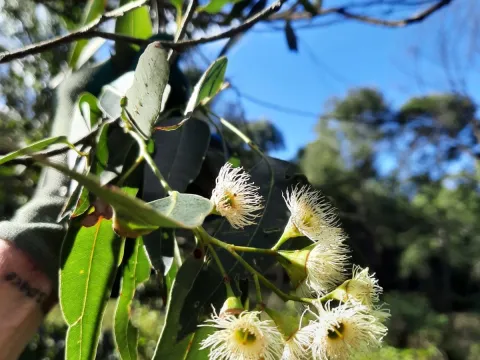
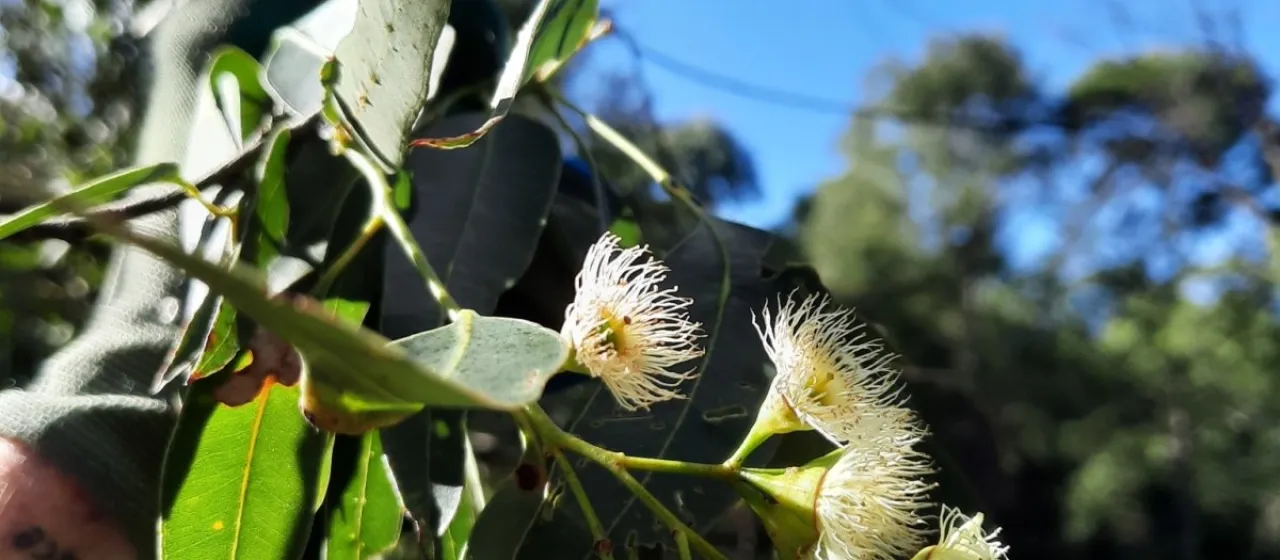
Botanically, the tree is characterized by its persistent, dark-grey, deeply furrowed ironbark, which provides robust protection for the trunk. The leaves are lanceolate, leathery, and rich in aromatic essential oils. The tree produces clusters of white flowers arranged in panicles, which give the species its specific name, paniculata.
Successful silviculture requires well-drained, nutrient-rich soils. The tree thrives in full sun and requires careful management during the establishment phase to ensure straight bole development. A typical agro-technical approach involves systematic thinning to reduce competition for nutrients and water, as well as monitoring soil pH levels to maintain optimal growth conditions.
The timber of the grey ironbark is renowned for its high density, excellent structural strength, and natural resistance to decay and termites. Key industrial applications include:
- heavy-duty civil engineering and structural construction;
- manufacturing of railway sleepers and power line poles;
- production of premium-grade decking and flooring;
- heavy timber framing where high durability is required.
The species faces challenges from various pests, including wood-boring insects and fungal pathogens that affect foliage in humid environments. Integrated pest management, including regular stand inspections and proper spacing, is essential to mitigate the risk of disease and ensure the high quality of the final wood products.
Photo gallery