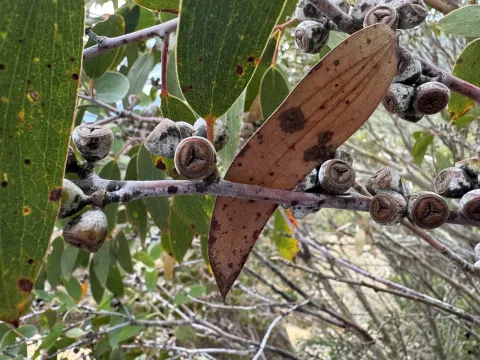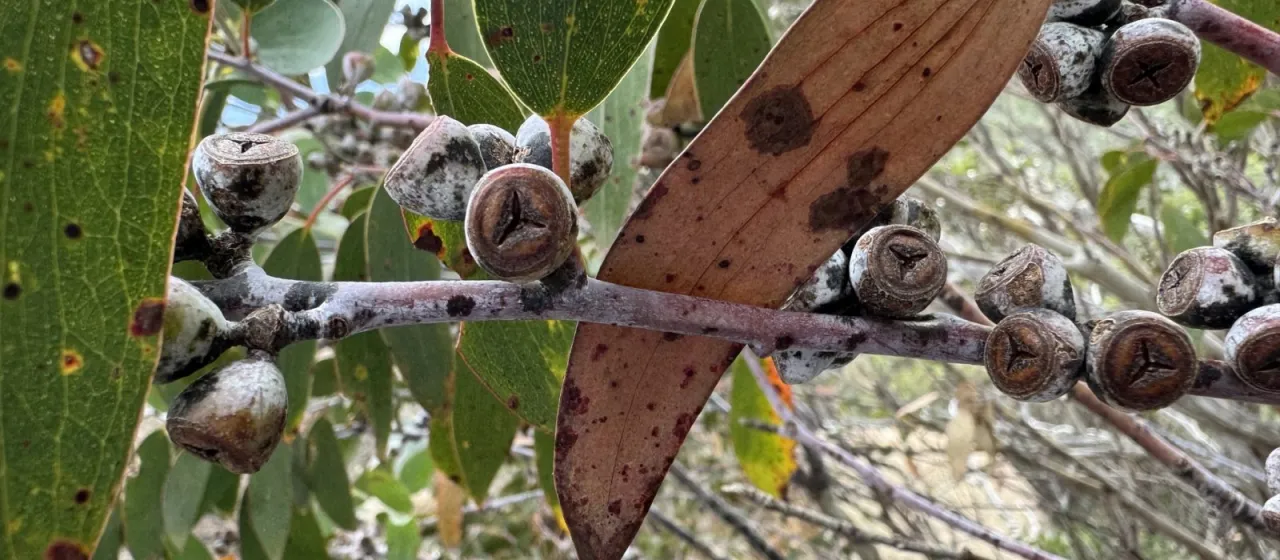
Description
Eucalyptus pauciflora, commonly known as the snow gum, is an evergreen tree species belonging to the Myrtaceae family. This tree is highly valued in horticulture and forestry for its exceptional cold tolerance, setting it apart from the majority of heat-loving eucalyptus species found globally.
The native habitat of the snow gum is the subalpine region of southeastern Australia. It is uniquely adapted to survive in areas characterized by heavy snowfall and freezing winter temperatures, making it a robust candidate for cultivation in cooler temperate climates across the world.
Botanically, the tree is recognized for its striking, smooth, multicolored bark that sheds in patches. Its leaves are thick, leathery, and rich in essential oils, which provide a distinct aromatic scent. The flowers are small, creamy-white, and clustered, often attracting pollinators during the flowering season.
Successful cultivation requires well-drained, acidic to neutral soils and exposure to full sun. The species does not tolerate waterlogged conditions, which can lead to root system decay. Proper maintenance includes strategic pruning to encourage a healthy structure and protection for young trees against severe wind exposure.
- Reforestation in cold-temperate mountainous zones.
- Ornamental use in landscapes and gardens.
- Production of essential oils for medical and industrial applications.
- Harvesting timber for construction and specialty woodworking.
Common issues include fungal leaf spots and root pathogens caused by poor drainage. Pests such as leaf-eating insects and aphids can occasionally threaten the vitality of younger trees. Integrated pest management, involving regular inspection and proper soil management, is essential for sustaining healthy plantations.
Photo gallery