Description
The Snow Gum (Eucalyptus pauciflora subsp. niphophila) is a remarkable species belonging to the Myrtaceae family, celebrated for its extreme cold tolerance. Unlike many other eucalyptus varieties that thrive in tropical or subtropical climates, this specific subspecies has evolved to endure the freezing temperatures and snow-heavy winters characteristic of high-altitude regions.
Native to the Australian Alps, this tree grows in mountainous environments where it adapts by forming twisted, gnarled shapes. Its natural distribution is a testament to its hardiness, as it frequently encounters harsh winds and periods of deep frost, making it a highly desirable species for temperate gardening enthusiasts across the globe.
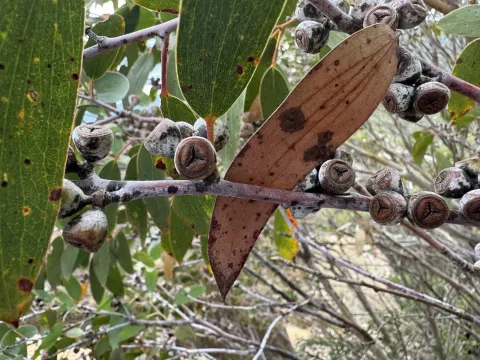
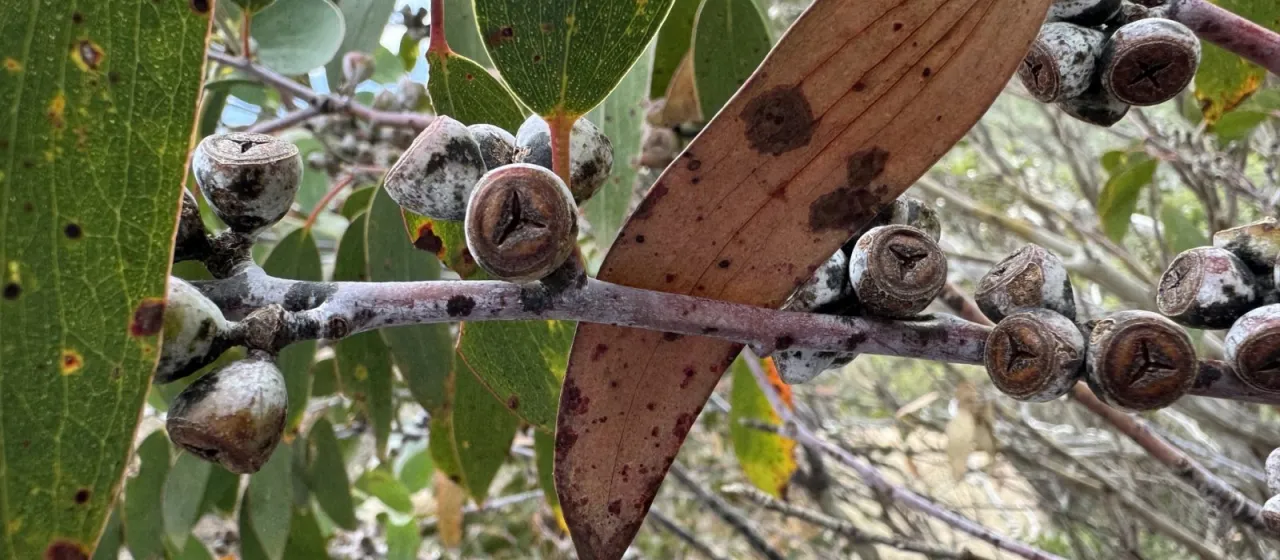
Botanically, the Snow Gum is easily identified by its smooth, peeling bark that exhibits a striking palette of white, cream, and grey patches. The leaves are leathery, lance-shaped, and persistent, releasing a strong, aromatic scent when crushed. These features combined with its unique structural form make it an aesthetic highlight in any landscape design.
Agrotechnical requirements center on providing a well-drained soil structure, as this tree is highly susceptible to root rot if water stagnation occurs. While it is tolerant of poor soils, it prefers sites with full sun exposure to maintain its health and vigor. It does not require intensive irrigation once established, though moisture management during the first few years of growth is crucial.
Economically, the tree is prized primarily for its ornamental value in landscaping, particularly in cold regions where traditional broadleaf evergreens struggle. It is relatively resistant to most pests; however, growers should remain vigilant for scale insects or leaf-feeding beetles. Proper site selection and avoiding waterlogged clay soils are the primary methods for ensuring long-term success.
Photo gallery