Description
Blackbutt (Eucalyptus pilularis Sm.) is a prominent evergreen tree belonging to the Myrtaceae family. It is widely recognized in forestry circles as one of the most important and fastest-growing timber species native to the coastal regions of eastern Australia, prized for its ability to produce high-quality wood.
The natural distribution of this species spans from the southern parts of Queensland to the central coastal regions of New South Wales. Outside of its native habitat, it has been successfully introduced to various subtropical regions globally, where it is cultivated in dedicated plantations for timber production and ecological restoration.
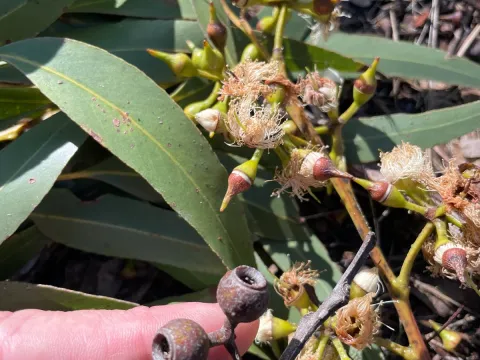
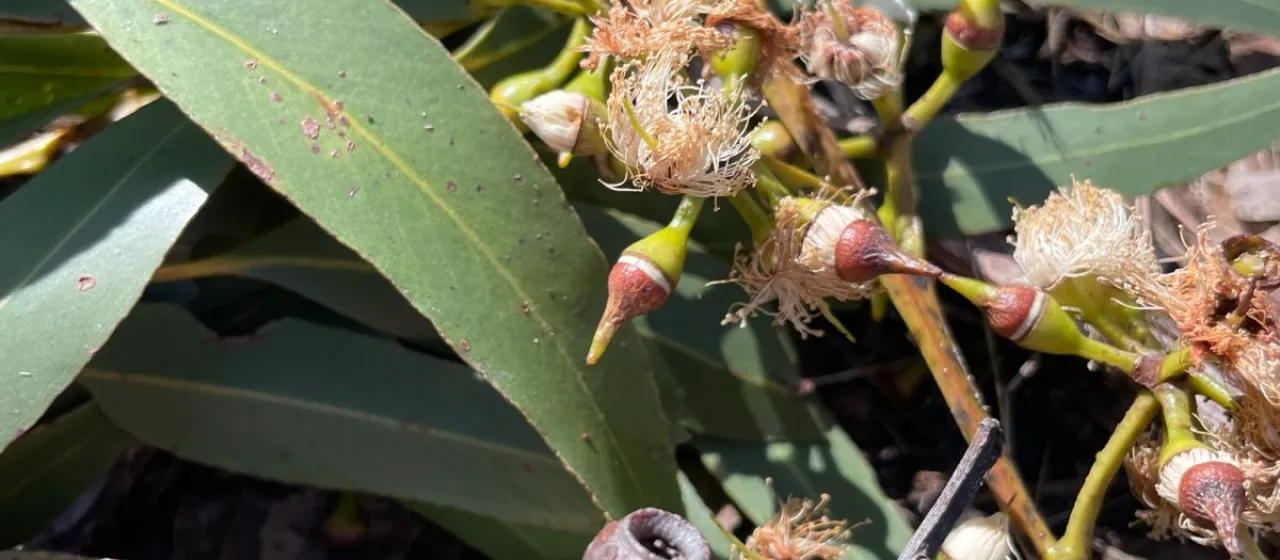
Botanically, Eucalyptus pilularis is characterized by a straight, tall trunk and distinctive rough, fibrous bark at the base, which transitions to smooth, greyish-white bark higher up. The leaves are broad-lanceolate and dark green, containing essential oils that are characteristic of the genus. Its rapid vertical growth makes it a preferred choice for silviculture.
In terms of cultivation, Blackbutt thrives in deep, well-drained loamy soils and requires full sun exposure to reach its maximum growth potential. The tree is relatively adaptable, but it performs best in regions with consistent rainfall. Agronomic management involves controlling competition from weeds in the early years and ensuring adequate space between saplings to prevent stunted growth.
The primary economic value of this species lies in its structural timber, which is highly sought after for its strength, durability, and resistance to termites. It is extensively used in the construction industry for flooring, decking, and heavy-duty building frames. Additionally, it serves as a critical component in environmental planting programs to promote biodiversity.
- Rapid growth and excellent timber recovery rates.
- Requires well-drained soils to avoid root rot.
- Susceptibility to certain leaf-eating beetles in dense stands.
- High demand for premium-grade structural wood products.
Photo gallery