Description
Eucalyptus radiata Sieber ex DC., commonly known as Narrow-leaved peppermint, is a significant species of evergreen tree in the Myrtaceae family. Renowned for its aromatic foliage, it is widely cultivated for the production of high-quality essential oil, which is valued for its specific chemical profile rich in 1,8-cineole.
The native habitat of this species is Southeastern Australia, where it grows in diverse forest environments ranging from cool, mountainous regions to lowland valleys. Its natural distribution demonstrates an evolutionary adaptation to a temperate climate, which dictates the environmental requirements for commercial farming operations.
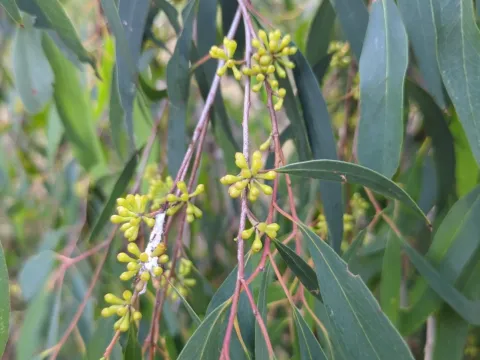
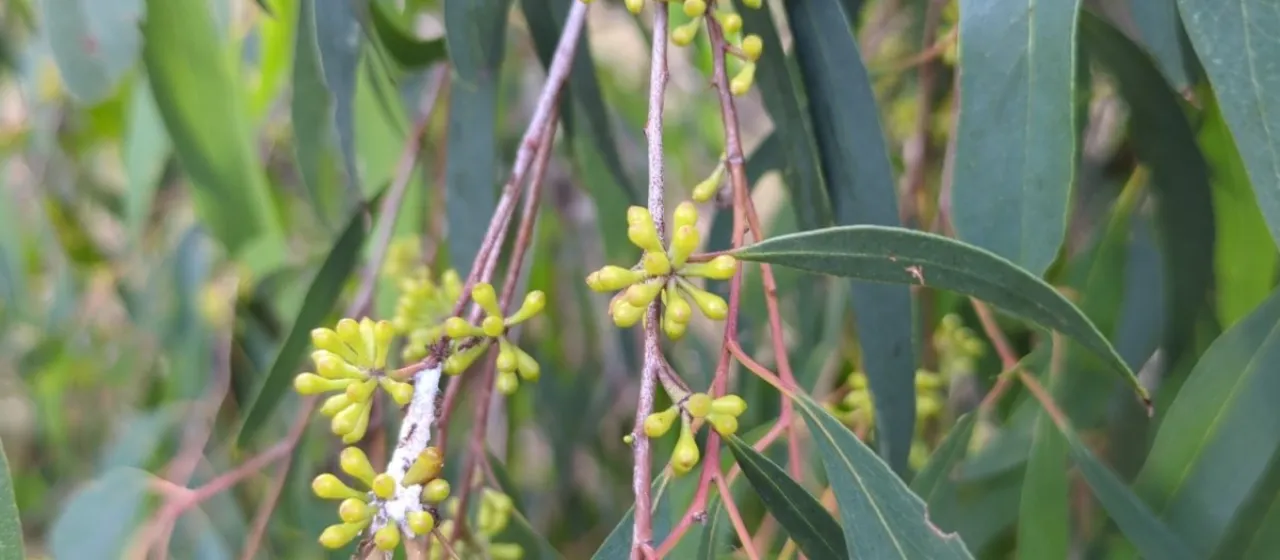
Botanically, the tree is recognized by its narrow, lance-shaped leaves that release a pleasant, peppermint-like scent when crushed. The bark is typically fibrous and grey to brownish in color. The flowers appear in clusters and are creamy white, which are highly attractive to local pollinators, playing a role in maintaining ecosystem biodiversity.
Agricultural management of Eucalyptus radiata requires well-drained, acidic, and nutrient-rich soils. While the tree can tolerate some levels of frost once established, juvenile plants require protection in colder zones. Optimal growth is achieved through systematic irrigation and careful spacing to prevent the overcrowding that can lead to disease outbreaks.
The primary economic use of this plant is the commercial distillation of leaf oil, which is a key ingredient in pharmaceutical, cosmetic, and cleaning products. Furthermore, the tree is utilized in reforestation projects for soil stabilization. Its wood is also harvested for timber, providing a dual-purpose agricultural model in regions where forestry is a stable economic pillar.
- Rich in medicinal-grade essential oils.
- Fast-growing species suitable for biomass harvesting.
- Requires sun-exposed sites for maximum oil yield.
- Prone to infestations by leaf-eating insects and fungal leaf spots in humid climates.
Photo gallery