Description
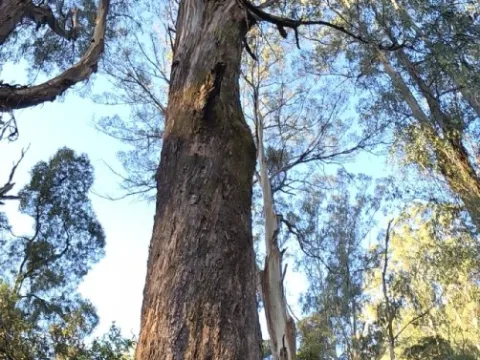
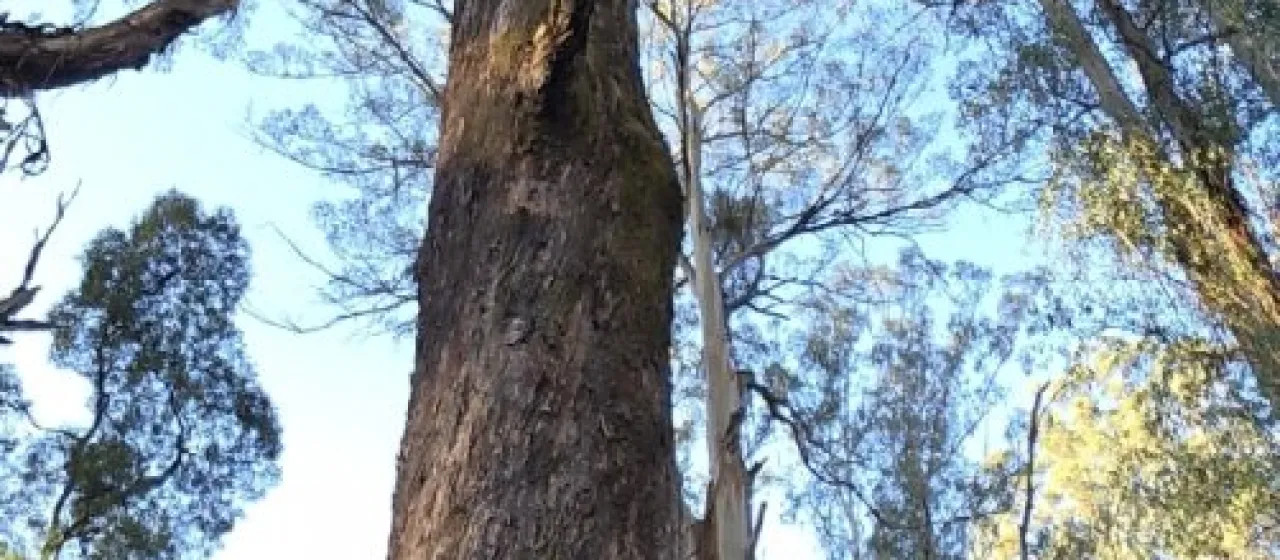
Eucalyptus regnans, commonly known as mountain ash, is a magnificent evergreen tree belonging to the Myrtaceae family. It is officially recognized as one of the tallest angiosperms in the world, frequently reaching heights that exceed 90 meters in its native habitat.
The species originates from southeastern Australia, specifically within Victoria and Tasmania. It thrives in cool, humid environments with high rainfall and deep, fertile soils. Unlike other eucalyptus species that prefer arid regions, Eucalyptus regnans requires a stable, moist climate to maintain its high rate of biomass production.
Botanically, the tree is characterized by a straight, single trunk and smooth bark that sheds in long ribbons. The foliage consists of long, lance-shaped leaves that emit aromatic oils. Its root system is primarily shallow, which makes the plant highly dependent on the moisture retention capacity of the soil profile.
Cultivation of mountain ash for forestry purposes involves planting in managed stands on well-drained, nutrient-rich slopes. Essential agro-techniques include weed management during the establishment phase and protection against extreme heat or fire, which can be devastating for young, fast-growing trees. Irrigation is rarely needed in its optimal range but is crucial in plantation setups.
- Construction and high-quality furniture manufacturing.
- Pulp and paper production due to superior wood fiber.
- Sustainable reforestation projects in its native range.
Typical health issues for this species include fungal infections like Phytophthora cinnamomi and infestations by wood-boring beetles or leaf-eating insects. Proper site selection and maintaining tree vigor through thinning are key strategies to mitigate pest and disease outbreaks in commercial plantations.
Photo gallery