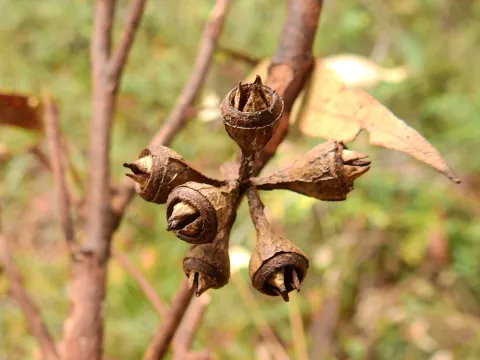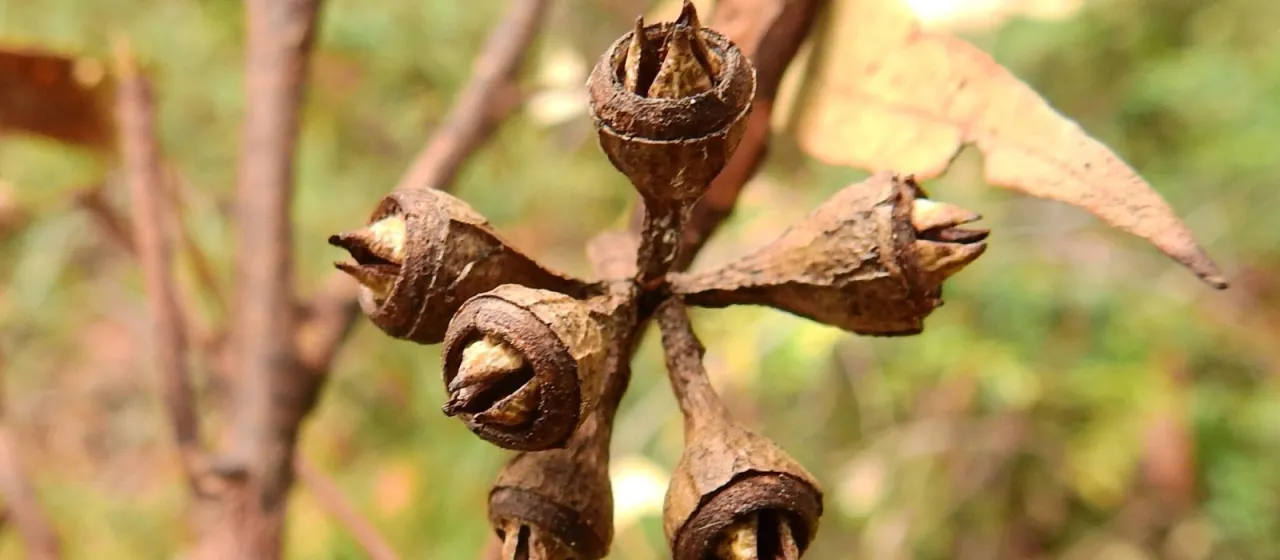
Description
Eucalyptus resinifera, commonly known as red mahogany, is a large evergreen tree belonging to the Myrtaceae family. Highly valued in forestry for its fast growth rate and superior timber quality, this species is a staple in plantations across tropical and subtropical regions. In its native habitat, it can reach impressive heights, developing a robust trunk with fibrous, reddish-brown bark.
Originating from the coastal regions of eastern Australia, red mahogany is now cultivated globally in regions with warm climates. It thrives in humid environments and prefers deep, fertile, and well-drained soils. While it shows some resilience to minor weather fluctuations, it is essentially a moisture-loving species that excels in well-watered alluvial sites.
The botanical structure of Eucalyptus resinifera is defined by its lance-shaped leaves, which are rich in essential oils, and its characteristic white to creamy flowers arranged in umbels. The tree's most notable feature is its hard, durable wood, which is naturally resistant to decay and insect attacks, making it a premium choice for high-end construction and heavy-duty applications.
Cultivation practices focus on ensuring optimal initial growth. Planting density must be carefully managed to avoid competition for sunlight and nutrients. Soil preparation is critical, often involving deep tilling and organic fertilization. Regular monitoring of growth rates and structural integrity is necessary to manage plantations for high-yield timber production effectively.
The industrial and agricultural utility of red mahogany includes:
- Production of heavy construction timber and flooring.
- Manufacturing of durable poles and posts for exterior use.
- Pulp and paper production due to the quality of its fibers.
- Environmental restoration projects, particularly for soil stabilization.
Regarding health management, plantations must be protected against leaf-eating insects and root pathogens. In poorly drained soils, fungal infections like Phytophthora can pose a significant threat. Implementing integrated pest management strategies and choosing appropriate planting sites are essential steps for maintaining a healthy and productive stand of these valuable trees.
Photo gallery