Description
Swamp mahogany (Eucalyptus robusta Sm.) is a prominent evergreen tree species belonging to the Myrtaceae family. Known for its ability to thrive in waterlogged conditions, this tree can reach heights of up to 30 meters, characterized by its thick, spongy bark and broad, dark green leaves that provide significant shade.
The native range of this species is the eastern coast of Australia, particularly in swampy areas and coastal plains. Due to its adaptability, it has been introduced to various tropical and subtropical regions worldwide, including Southeast Asia, Hawaii, and parts of Africa, where it has become a staple for reforestation projects.
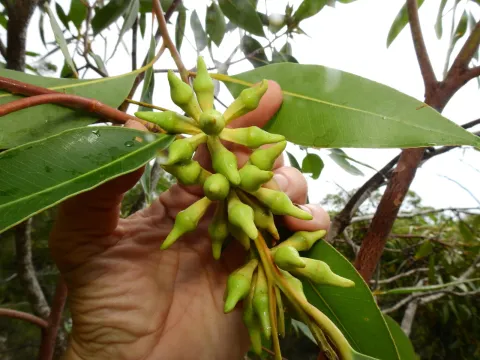
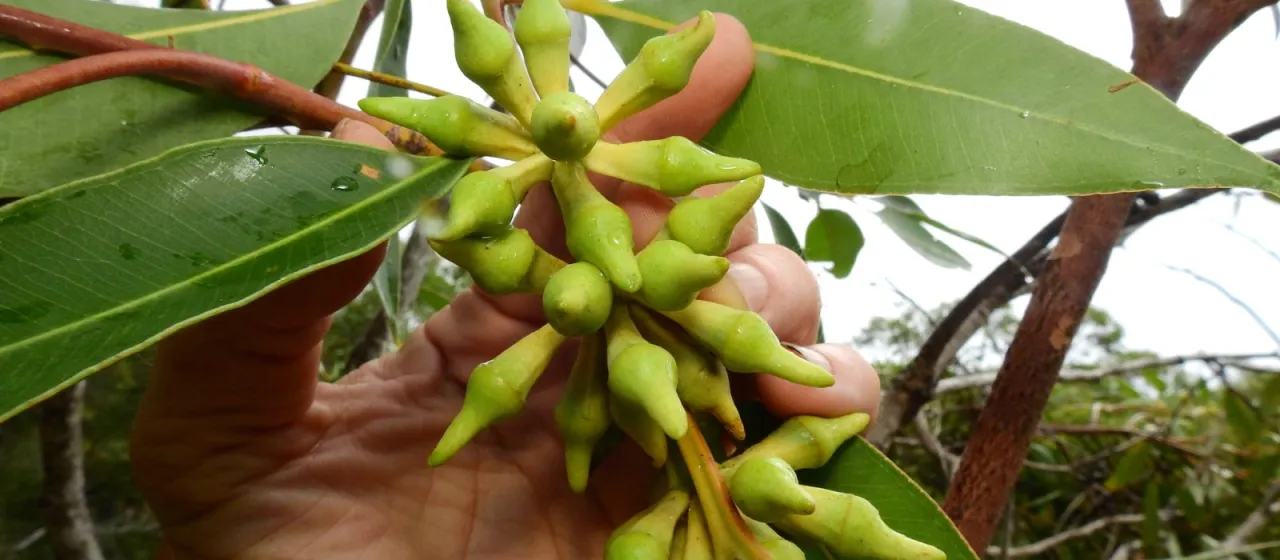
The botanical profile of the tree includes a strong, reddish-brown timber and a distinct flowering period. The flowers appear in clusters, containing high levels of nectar, which makes the tree an excellent candidate for apiary integration. The leaves are typically ovate or lanceolate, possessing a tough, waxy surface to minimize water loss while maintaining photosynthesis.
Cultivation requirements focus heavily on site selection. While the tree tolerates poor drainage and heavy clay soils, it demands abundant rainfall or constant soil moisture for optimal growth. It is not cold-hardy and is susceptible to frost damage, so agro-management plans must prioritize site warmth and shelter in climates prone to dropping temperatures.
The economic and agricultural utility of the swamp mahogany is extensive:
- Timber production for construction, posts, and heavy-duty outdoor structures.
- Water management through high-rate transpiration to help drain wetlands.
- Honey production, as the tree is a prolific nectar source for commercial beekeeping.
- Soil stabilization to prevent erosion in humid, low-lying landscapes.
Disease management remains a priority for plantations, as the tree can be affected by various fungal pathogens and pests like the Eucalyptus borer or scale insects. Regular monitoring and proper spacing are essential to ensure the longevity and health of the forestry stands.
Photo gallery