Description
The Flooded gum (Eucalyptus rudis Endl.) is an evergreen tree species belonging to the Myrtaceae family. Known for its robust growth and distinct fibrous, persistent bark, this tree typically reaches heights of 15 to 20 meters, featuring a spreading canopy that provides significant biomass in its native habitats.
Originating from Western Australia, this species is naturally adapted to river valleys, wetlands, and floodplains. Its evolutionary history has endowed it with a high tolerance for waterlogged soils and occasional salinity, making it a specialized candidate for environmental restoration and reforestation in areas where other species might fail.
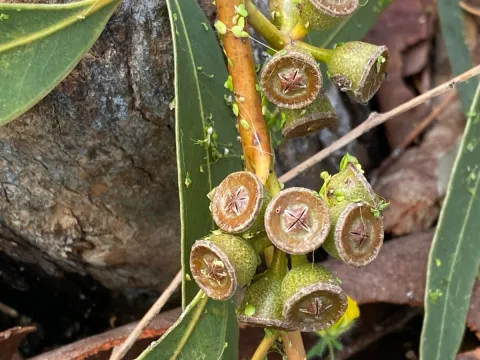
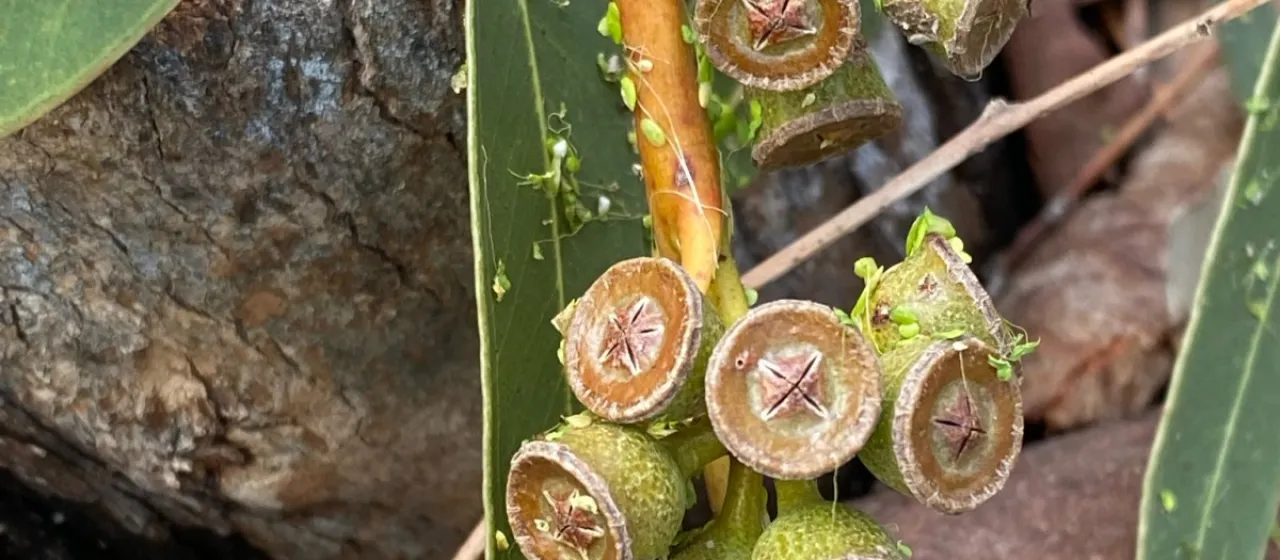
Botanically, Eucalyptus rudis is identified by its lanceolate, oil-rich leaves and white-to-cream flowers that bloom primarily in the cooler months. The seeds are enclosed in woody capsules, which are shed after maturation. The species exhibits rapid juvenile growth, which is a critical trait for its successful establishment in managed agricultural or forestry systems.
Cultivation requirements focus on site selection with deep, nutrient-rich soils and adequate moisture availability. While the species is hardy, it performs best in climates characterized by mild winters. Agronomic practices involve proper spacing to allow for canopy development, monitoring groundwater levels to match its natural affinity for riparian zones, and initial weed control during the seedling stage.
Economic and land-use applications include the production of timber for industrial purposes, such as fencing, utility poles, and general construction. Furthermore, the tree is a significant honey-producing species and serves as an excellent windbreak, helping to mitigate soil erosion and improve the microclimate of surrounding agricultural fields.
Common pests and diseases include various defoliating insects, such as leaf beetles and lerps, as well as fungal pathogens that can affect foliage in humid conditions. To maintain healthy stands, it is essential to implement integrated pest management, ensure proper drainage in plantations, and perform regular monitoring for early signs of infestation to minimize potential yield losses.
Photo gallery