Description
Red Ironbark (Eucalyptus sideroxylon) is a prominent evergreen tree species belonging to the Myrtaceae family. It is widely recognized for its exceptionally hard, dense, and dark-colored wood, which gives the tree its common name. With its deeply furrowed, dark bark and graceful habit, it stands as a significant species in both forestry and ornamental landscapes.
Native to eastern Australia, the species has been successfully introduced to various subtropical and warm-temperate regions worldwide. It thrives in open, sunny environments and is highly regarded for its ability to grow in a wide range of soil types, provided they are well-drained. Its geographic adaptability has made it a preferred choice for large-scale reforestation and commercial plantations.
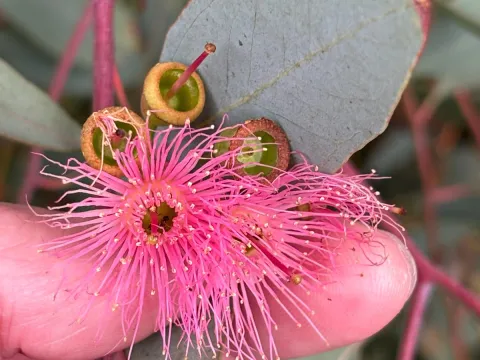
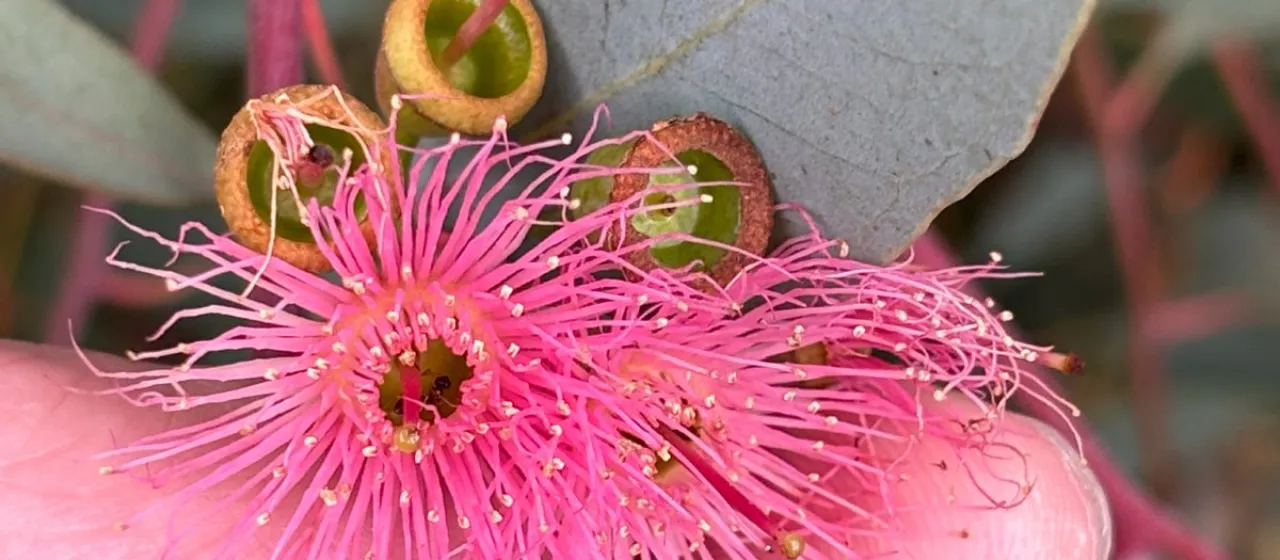
Botanically, the tree is characterized by its glaucous (bluish-green) lanceolate leaves that produce aromatic essential oils. One of its most distinctive features is the prolific flowering, with blossoms ranging from white to deep red or pink. These flowers are highly attractive to pollinators, specifically bees, establishing the Red Ironbark as a premier honey-producing species in its cultivation range.
Agrotechnical management requires attention to soil drainage, as the species is intolerant of waterlogging. While established trees are famously drought-tolerant, saplings need consistent monitoring for pests, particularly leaf-eating insects. Pruning is often implemented in commercial settings to encourage straight trunk growth and improve the overall quality of the timber, ensuring higher industrial yields.
The primary economic value of Red Ironbark lies in its timber, which is prized for its extreme durability and resistance to termites and rot. It is extensively used in heavy construction, fence posts, sleepers, and high-quality flooring. Beyond industrial timber, the tree is extensively utilized in arboriculture for its aesthetic value and as a protective windbreak in agricultural landscapes.
- Exceptional wood density and structural integrity.
- Significant value as a honey-producing crop.
- Excellent drought and frost tolerance once established.
- Resilience against many common tree diseases.
- Versatility in both commercial timber and ornamental use.
Photo gallery