Description
Silver top ash (Eucalyptus sieberi) is a prominent tree species belonging to the Myrtaceae family. Known for its robust growth and structural integrity, this species is a key component of the Australian forestry landscape. It typically develops into a tall, straight tree that plays an essential role in maintaining ecological balance in temperate forest regions.
Native to southeastern Australia, the tree thrives in coastal and mountainous regions where rainfall is reliable. Its distribution is naturally limited by its preference for well-drained, acidic, and nutrient-poor soils, where it often outcompetes other vegetation. These environmental adaptations make it a candidate for cultivation in specific temperate climates globally.
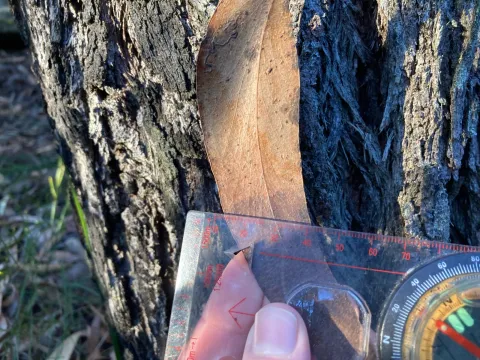
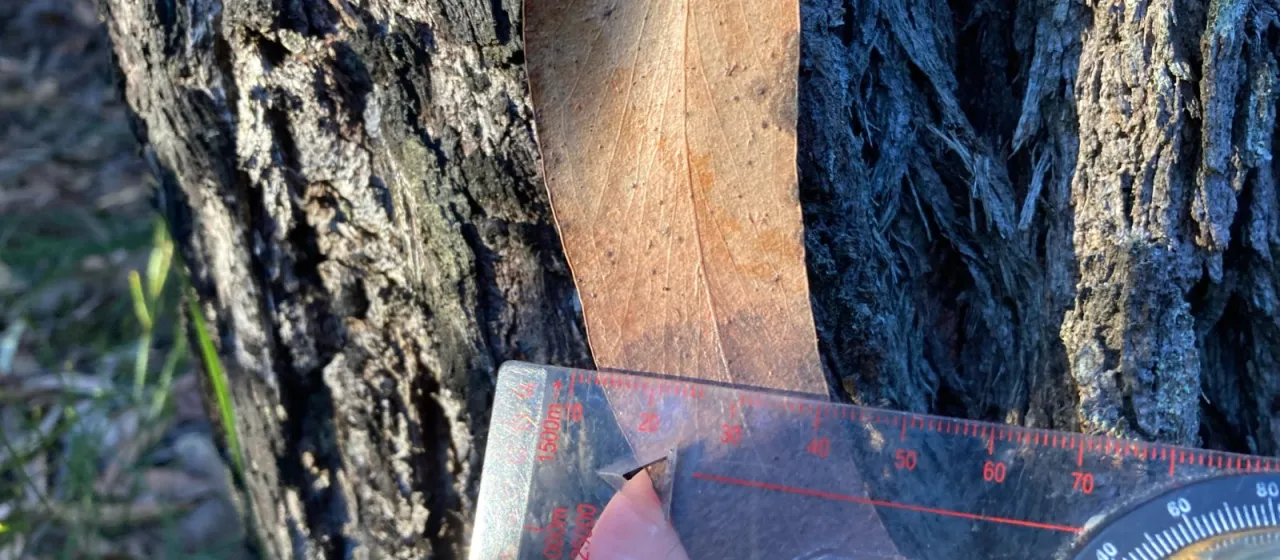
Botanically, Eucalyptus sieberi is recognized by its distinctively rough, fibrous bark on the lower trunk, which contrasts with the smoother, greyish upper branches. The leaves are narrow, lance-shaped, and rich in oils, while the flowers bloom in clusters and produce characteristic woody fruit capsules. Its root system is exceptionally deep, facilitating nutrient uptake in challenging environments.
Agricultural and silvicultural requirements focus on proper site selection, emphasizing the need for excellent drainage to prevent root rot. Seedlings require protection from extreme frosts during their initial growth stages. Once established, the trees exhibit strong resilience against wind and pests, though regular forest management is recommended to maximize yield and timber quality.
The primary economic value of this species lies in its high-quality hardwood timber. It is extensively used in heavy construction, furniture manufacturing, and flooring due to its durability and resistance to decay. Beyond the timber industry, it is frequently utilized in land reclamation and reforestation projects to stabilize degraded terrain and restore indigenous vegetation cover.
- Rapid growth rates in managed plantation settings.
- High density and durability of timber products.
- Significant role in forest regeneration programs.
- Adaptable to a range of moderate soil conditions.
Photo gallery