Description
Forest red gum (Eucalyptus tereticornis Sm.) is a prominent member of the Myrtaceae family, renowned for its rapid growth and adaptability. This species is widely recognized in professional silviculture for its ability to produce high-density timber, making it a critical asset for both local ecosystems and the global forestry industry.
Originally native to Eastern Australia, the species has been introduced extensively to tropical and subtropical climates worldwide. Its natural habitat spans from coastal forests to inland plains, demonstrating a remarkable tolerance to varying environmental conditions, provided that the soil is sufficiently deep and well-drained.
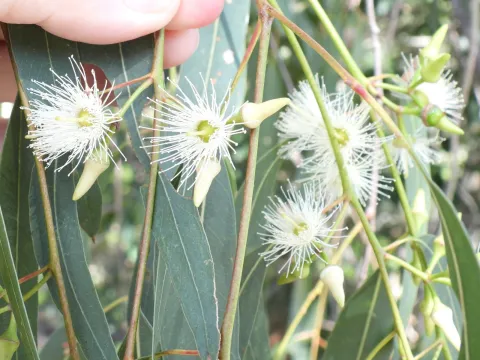
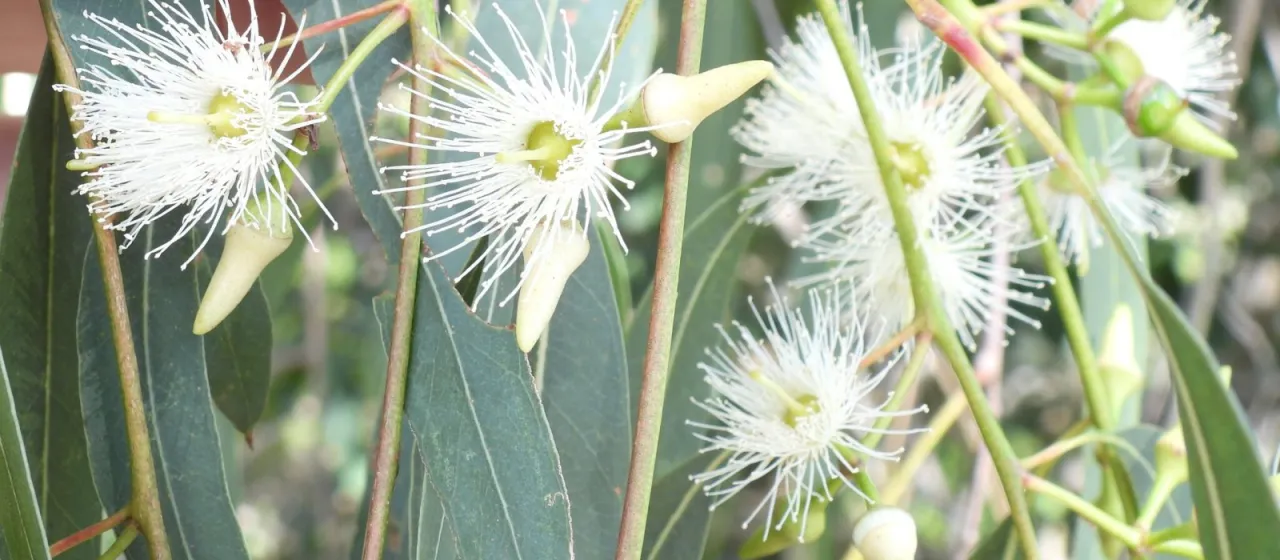
Botanically, the tree is distinguished by its smooth, mottled bark which sheds annually to reveal new layers of white or grey. Its foliage consists of lanceolate, leathery leaves rich in essential oils. The tree produces small, clustered flowers that are highly attractive to pollinators, contributing to biodiversity within the forest plantations where it is grown.
Successful commercial cultivation requires strategic site selection. While the species is hardy once established, young saplings need protection from frost and intense weed competition during the first years. Appropriate silvicultural management, including thinning and irrigation in dry climates, ensures optimal wood yield and prevents the development of stunted growth forms.
The industrial utility of Forest red gum is vast. Its hard, durable wood is a preferred material for construction, flooring, and furniture manufacturing. Furthermore, the species is a major source of essential oils used in various medicinal and industrial applications. Foresters must remain vigilant against pests like the eucalyptus snout beetle and leaf-blight pathogens, which can affect overall plantation health if not managed through rigorous monitoring and preventive care.
Photo gallery