Description
Hybrid Eucalyptus (Eucalyptus urophylla x Eucalyptus grandis x Eucalyptus globulus) is a high-performance interspecific cross belonging to the Myrtaceae family. This hybrid is the result of intensive breeding programs designed to combine the rapid growth rate and straight stem form of E. grandis, the tropical resilience of E. urophylla, and the superior wood quality characteristic of E. globulus.
The original parent species are native to Australia and Indonesia. However, this hybrid is widely cultivated across tropical and subtropical regions globally, particularly in Brazil and parts of Southeast Asia. Its ability to adapt to diverse climatic conditions makes it a cornerstone species for commercial timber production and industrial reforestation projects.
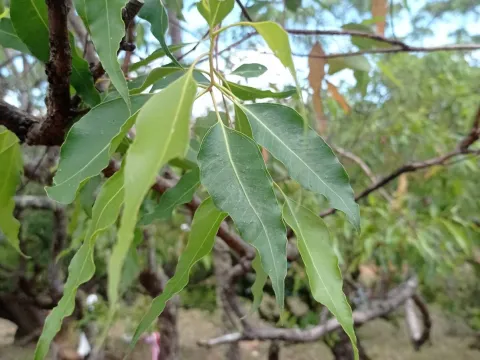
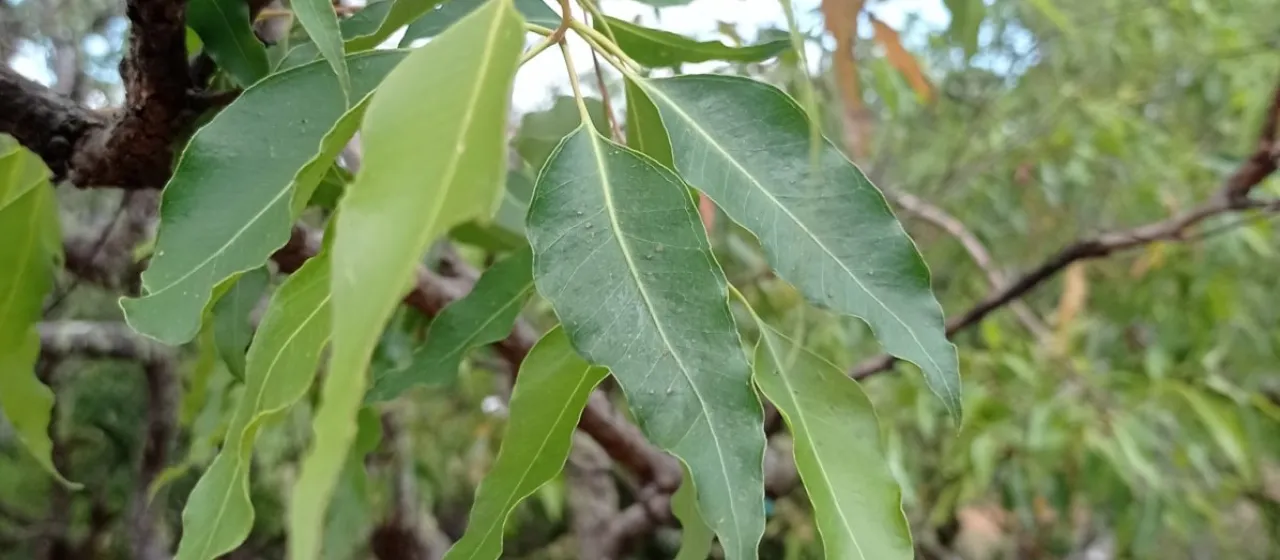
Botanically, these trees are recognized for their fast-growing characteristics and ability to synthesize biomass efficiently. They feature a robust root system and a straight trunk that is highly valued in the industry. The leaf structure is adapted to optimize photosynthetic activity under high-light and warm temperature conditions, ensuring rapid maturity within a short 7-to-10-year harvest cycle.
Agronomic success depends on well-drained, nutrient-rich soils and consistent moisture levels during the early stages of establishment. Silvicultural management involves precise site preparation, the use of high-quality clonal seedlings, and targeted fertilization. Proper spacing is essential to ensure maximum airflow and sunlight exposure, which prevents the development of moisture-related pathogens.
- Pulp and paper industry production.
- High-quality lumber and furniture manufacturing.
- Biomass energy and charcoal production.
- Carbon sequestration in industrial forests.
- Environmental restoration of degraded land.
Pest and disease management is a critical aspect of eucalyptus plantations. Common threats include defoliating insects, such as beetles, and fungal pathogens that thrive in high-humidity environments. Agronomists mitigate these risks through rigorous monitoring, the selection of disease-resistant clonal varieties, and the application of integrated pest management strategies to ensure long-term plantation viability.
Photo gallery