Description
Eucalyptus urophylla x Eucalyptus viminalis is an interspecific hybrid of trees belonging to the Myrtaceae family. This hybrid was specifically developed to capitalize on the rapid growth rates and heat tolerance characteristic of Eucalyptus urophylla, while integrating the environmental plasticity and adaptation to cooler regions typically found in Eucalyptus viminalis.
Originating from the genetic stocks found in Australia and the Indo-Malay region, this hybrid is widely cultivated today in tropical and subtropical plantations. It serves as a primary source of industrial timber and pulpwood in countries seeking high yields in short rotation forestry. The geographical scope of its cultivation continues to expand due to the tree's versatility.
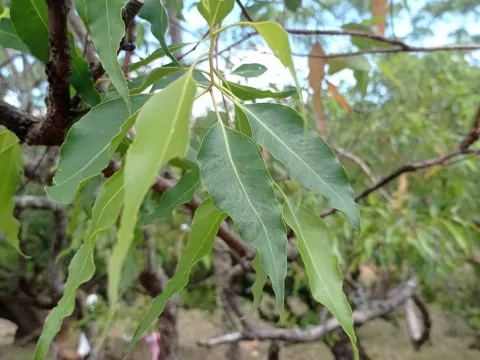
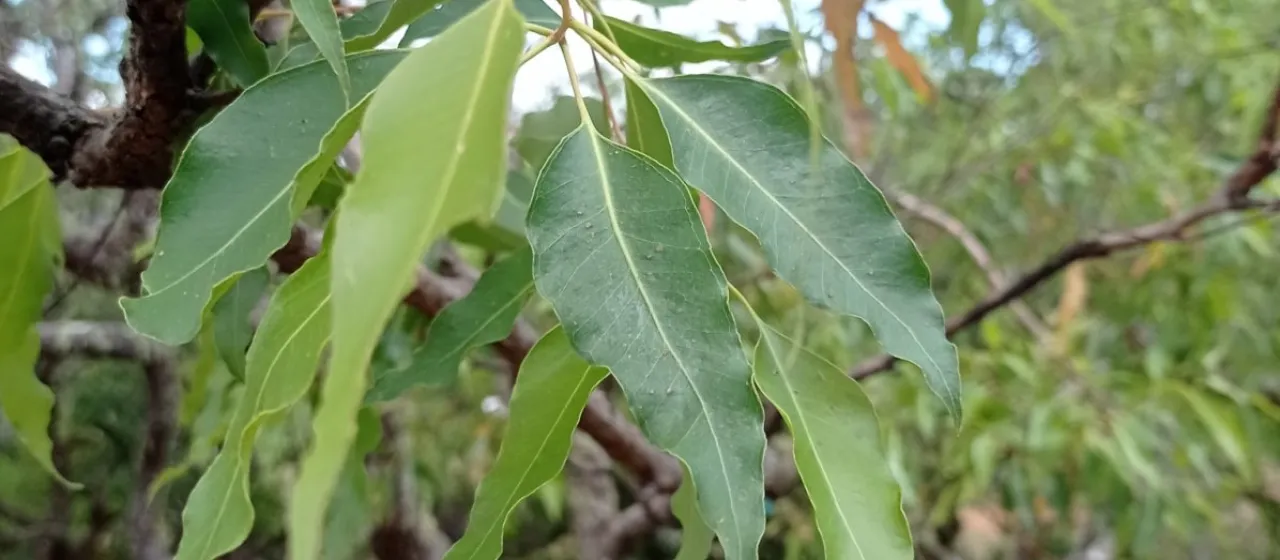
Botanically, this hybrid displays exceptional morphological vigor. It features a straight, cylindrical trunk and a canopy optimized for light interception. The leaves are persistent, aromatic, and possess a cuticle layer designed to minimize water loss, reflecting its adaptation to various environmental stressors. Its root system is extensive, allowing for efficient nutrient uptake even in moderately depleted soils.
The agronomic requirements focus on ensuring favorable soil structure and water management. While the hybrid is robust, it thrives best in deep, well-drained soils with good aeration. Planting programs typically involve intensive site preparation, such as plowing and fertilization during the initial establishment phase, followed by density control to maximize individual tree growth rates.
- Production of wood pulp for paper and textile industries.
- Construction-grade timber and engineered wood products.
- Biomass production for sustainable renewable energy.
- Soil stabilization and reforestation of degraded landscapes.
Typical plant health issues involve attacks from wood-boring insects and foliage-feeding pests, which can significantly hinder growth if left unmanaged. Fungal diseases often manifest under conditions of poor drainage or excessive humidity. A successful management strategy relies on periodic health checks, proper selection of clones based on regional susceptibility, and timely intervention with integrated pest management practices.
Photo gallery