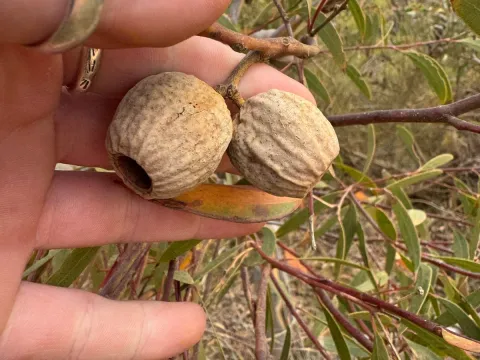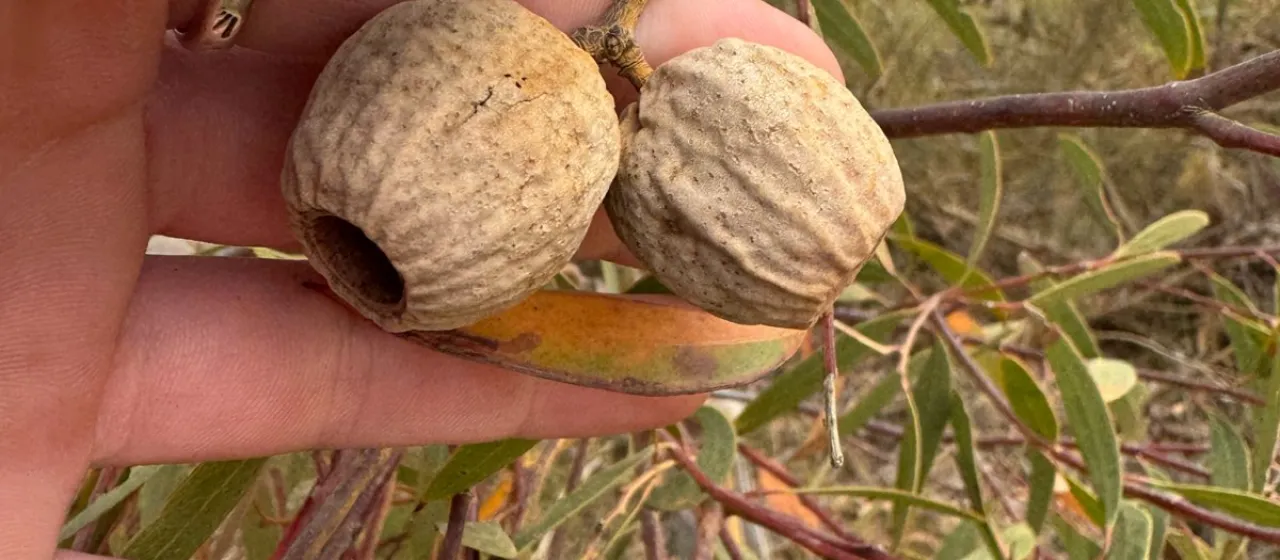
Description
Irby's Eucalyptus (Eucalyptus x irbyi) is a natural hybrid belonging to the Myrtaceae family. Known for its robust growth habit and ecological adaptability, this species is recognized as a significant biological entity within the genus Eucalyptus, valued for both forestry and ornamental purposes.
Native to Australia, this hybrid thrives in environments characterized by mild winters and moderate rainfall. While its native range is specific to certain Australian regions, its cultivation has been attempted in various Mediterranean-type climates globally where frost risks are minimal.
Botanically, the species is defined by its distinct narrow foliage, rich in aromatic oils, and a trunk often covered in shed-prone bark. The root system is highly efficient, allowing the tree to penetrate deep soil profiles, which contributes to its overall drought tolerance once established.
Cultivation requires well-drained, nutrient-rich soil with a neutral to slightly acidic pH. As a light-demanding crop, it performs best in full sun exposure. Essential agronomic practices include:
- Regular monitoring for leaf-feeding insects.
- Application of balanced fertilizers during the early growth stages.
- Preventive measures against waterlogging in root zones.
- Pruning to maintain structural integrity and air circulation.
Economically, the tree is utilized for timber production, essential oil extraction, and as a component in agroforestry windbreaks. Common health concerns involve fungal pathogens that affect leaf tissue and specific wood-boring insects, which necessitate integrated pest management strategies.
Photo gallery