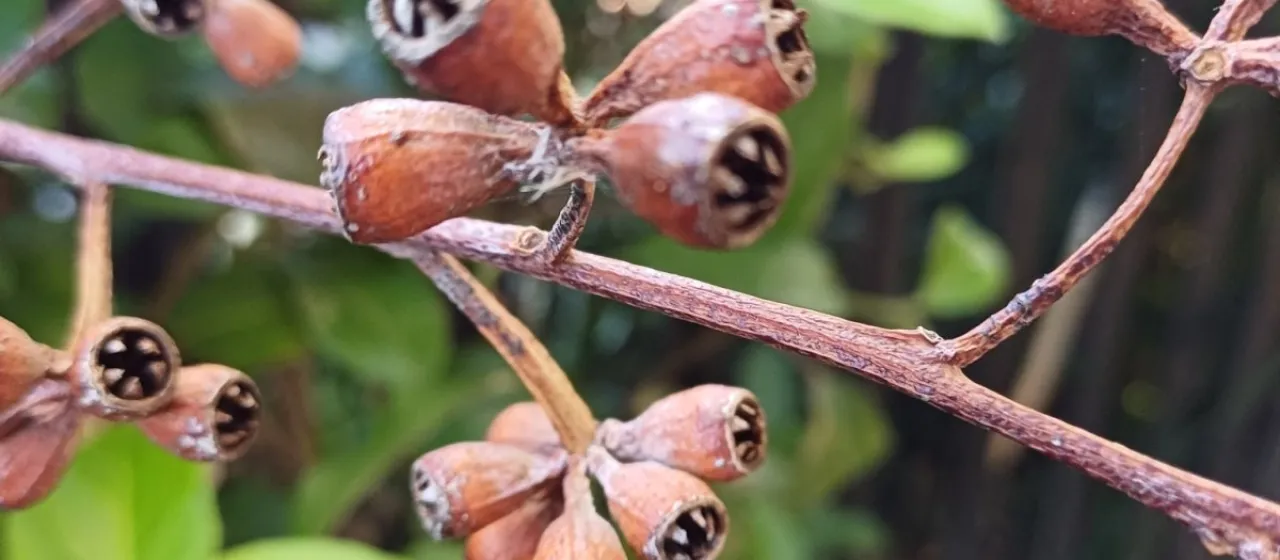
Description
Eucalyptus grandis, commonly referred to as the «flooded gum», is a prominent member of the Myrtaceae family. It is globally recognized as one of the most significant and rapidly growing plantation timber species, prized for its ability to produce high-quality fiber and lumber in relatively short rotation cycles.
Originating from the coastal regions of eastern Australia, this species has been successfully introduced to tropical and subtropical climates worldwide. Major cultivation hubs include Brazil, South Africa, and India, where favorable temperatures and rainfall allow the species to reach its full productive potential.
The tree exhibits impressive botanical traits, typically growing to a height of 50 meters or more. It is characterized by a straight, single trunk, a smooth bark that sheds in long ribbons, and lanceolate foliage. Its structural form makes it an ideal candidate for high-density forestry management.
Cultivation requires specific environmental conditions, including deep, well-drained soils and consistent rainfall. While the species is highly adaptable, it remains vulnerable to frost and prolonged water stress, necessitating careful site selection and, in some cases, supplemental irrigation to optimize growth rates during the establishment phase.
The industrial application of Eucalyptus grandis is diverse, spanning from the production of high-grade pulp and paper to furniture manufacturing, flooring, and general construction timber. The wood is noted for its density, aesthetic appeal, and ease of processing, maintaining its status as a cornerstone of the global timber industry.
- Remarkable biomass accumulation rates.
- Susceptibility to specific insect pests in monoculture.
- Versatility in pulp and mechanical wood products.
- Significant global demand for industrial wood.
Photo gallery