Description
Peppermint (Mentha x piperita L.) is a perennial herbaceous plant belonging to the Lamiaceae family. It is a sterile hybrid derived from water mint and spearmint, widely cultivated for its high concentration of menthol-rich essential oil. As a primary crop, it serves as a critical source for global pharmaceutical, cosmetic, and food industries.
Botanically, the plant features a shallow, spreading rhizome system and upright, square stems that can reach heights of 30 to 100 cm. The leaves are ovate-lanceolate with serrated margins, containing specialized glands that store aromatic oils. While the plant produces purple, whorled flower spikes, commercial production focuses on maximizing vegetative yield through controlled harvesting cycles.
Peppermint thrives in fertile, moisture-retentive loamy soils with a neutral pH. It requires consistent irrigation, particularly during periods of rapid growth, and full sunlight to semi-shaded conditions. Commercial propagation is strictly vegetative, utilizing stolons or rhizome cuttings, as sexual reproduction in this hybrid does not produce offspring true to the parent plant's essential oil profile.
The industrial applications of peppermint are diverse, ranging from the extraction of pure menthol to the manufacturing of toothpaste, mouthwashes, confectionery, and medicinal teas. High-quality peppermint oil is prized for its therapeutic properties, including antispasmodic and digestive aid benefits. Efficient harvesting and distillation methods are essential to maintain the quality of the volatile oil components.
The success of a peppermint plantation depends on effective disease and pest management strategies, as monocultures are prone to soil-borne pathogens. Agronomists monitor the crop for the following:
- Verticillium wilt and Rhizoctonia root rot
- Rust and Anthracnose
- Sclerotinia stem rot
- Septoria leaf spot
- Tomato mosaic virus and Nematodes
Content graph
Crop diseases · 14
Контент-граф
Connections · Peppermint
Most often together:
Marketplace
Products · 16
Treflan 480
Доу АгроСайенсіс С.А.С., Друзенхайм, Франція
Herbicides, Desiccants
3
2
·
4.1K
6 offers
0.6 €за 1 л
Купить


Bentagran AS
Nanjing No.1 Pesticide Factory of Red Sun Group Co., Ltd.
Herbicides, Desiccants
0
0
·
983
5 offers
0.4 €за 1 л
Купить
Bazoran
Yangzhou Pioneer Chemical Co., Ltd.
Herbicides, Desiccants
0
0
·
865
9 offers
2.1 €за 1 л
Купить

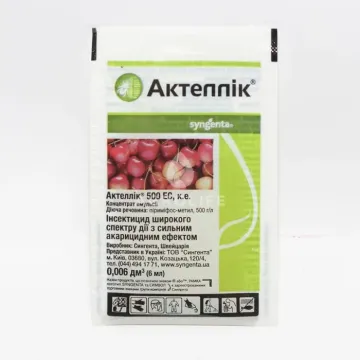
Actellic 500 EC
Фірма Кемінова А/С, Данія
Insecticides, Acaricides
0
0
·
80
5 offers
35 €за 1 л
Купить
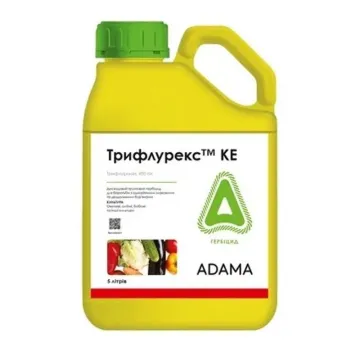
Triflurex 240 g.e., (Trifluralin, 240 g/l)
F.A.GAN Chemical Manufacturers Ltd. Israel, member
Herbicides, Desiccants
0
0
·
53
1 offer
12.89 €
Купить


Patrick C.E.
F.A.GAN Chemical Manufacturers Ltd. Israel, member
Herbicides, Desiccants
0
0
·
30
1 offer
0.83 €
Купить