Description
The Silver Princess, botanically known as Eucalyptus caesia, is a small, weeping tree belonging to the Myrtaceae family. Highly prized for its ornamental value, this species is iconic for its graceful, pendulous branches and striking foliage. It typically grows as a small tree or large shrub, making it an excellent choice for garden focal points or specialized botanical collections.
Originating from the semi-arid regions of Western Australia, this species is well-adapted to harsh environmental conditions. In the wild, it is often found growing in granite outcrops, which reflects its high tolerance for poor, rocky soils. This evolutionary history makes it a resilient plant for cultivation in regions with hot, dry summers and mild winters, where it can thrive with minimal human intervention.
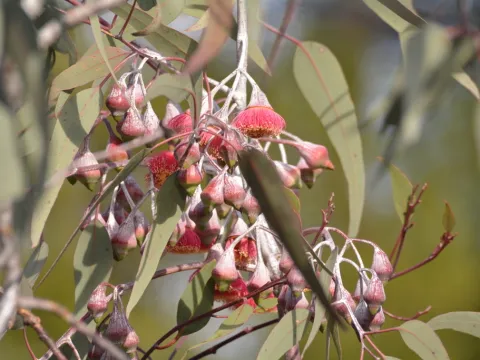
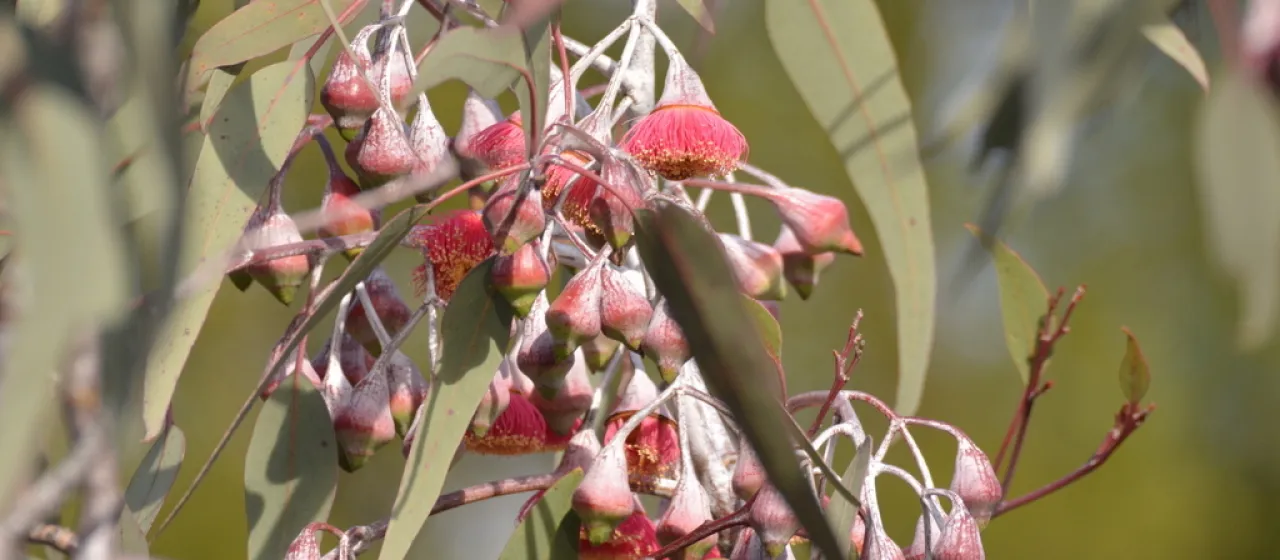
The plant is defined by several unique botanical features, including its smooth, peeling bark and stunning grey-green leaves coated in a white, waxy bloom. The flowers are particularly notable; they are large, pendulous, and often feature bright pink or creamy-white stamens that protrude from decorative, waxy-coated buds. These flowers attract various bird species and insects, contributing to local ecosystem health.
Agricultural and horticultural requirements focus on replicating its natural habitat. It demands a position in full sun and thrives in well-draining, sandy, or gravelly soils. Overwatering is the most common cause of failure in cultivation, as the roots are sensitive to stagnant moisture. Regular pruning is recommended to maintain its weeping habit and to encourage the growth of new, vibrant branches for floral use.
In terms of economic and practical use, the Silver Princess is highly valued in the nursery industry and the floral trade. Its unique, decorative fruit and foliage are frequently used in high-end floral arrangements and interior design projects. Furthermore, its ability to survive in water-restricted environments makes it a sustainable choice for xeriscaping and low-maintenance landscape design in appropriate climate zones.
- Exceptional drought tolerance
- Requires full sunlight
- Excellent for xeriscaping
- Susceptible to root rot in poor drainage
Photo gallery