Description
The Southern blue gum (Eucalyptus globulus Labill. subsp. globulus) is a fast-growing, evergreen tree species belonging to the Myrtaceae family. It is recognized globally as one of the most productive timber and essential oil crops, valued for its rapid biomass accumulation and economic utility in subtropical climates.
Native to southeastern Australia and Tasmania, this species has been successfully introduced to various regions worldwide, including the Mediterranean basin, South America, and parts of the United States. Its ability to adapt to diverse ecological conditions has made it a staple in global plantation forestry and industrial agro-processing.
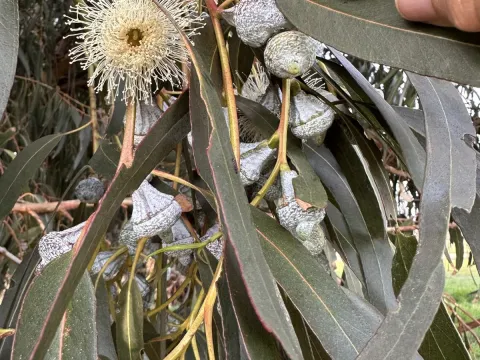
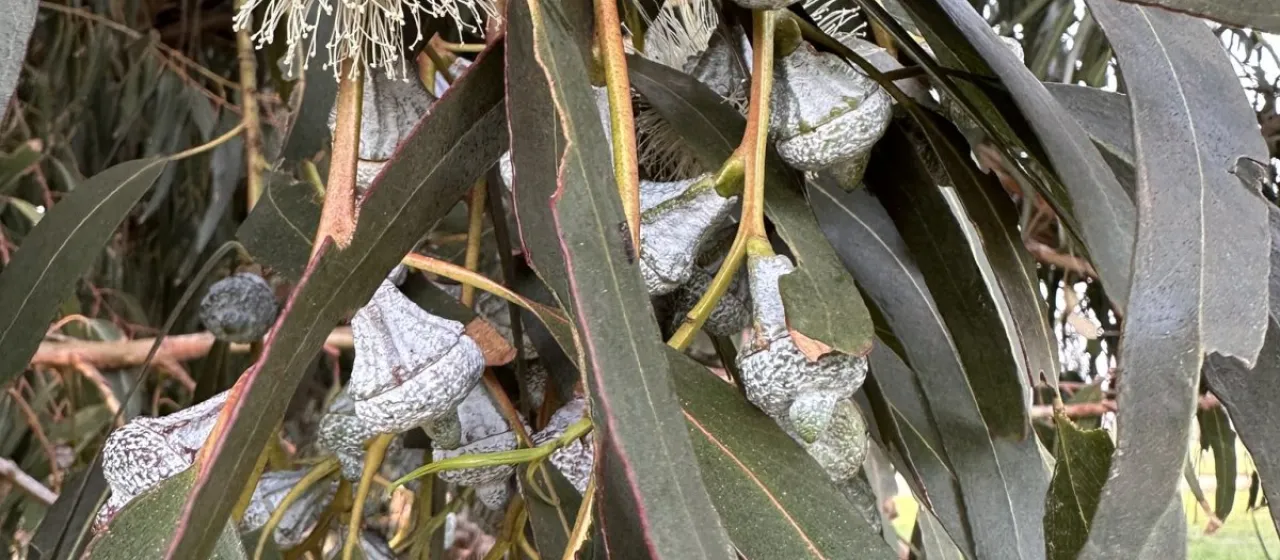
Botanically, the species is defined by its aromatic, lanceolate leaves and unique juvenile foliage, which is ovate and glaucous. As the tree matures, the leaves transition to a more elongated, sickle-shaped form. The tree features smooth, exfoliating bark and produces distinctive woody capsules that protect the seeds until they are ready for dispersal.
Cultivation requirements for Eucalyptus globulus focus on well-drained, nutrient-rich soils and consistent moisture availability. While the species is highly adaptable, it thrives best in climates without extreme frost, which can damage the cambium layer. Agronomic practices typically involve intensive site preparation, weed control during the establishment phase, and periodic thinning for optimal yield.
The primary agricultural and industrial applications include:
- Extraction of essential oil for medicinal and pharmaceutical use.
- Supply of high-quality pulpwood for the global paper industry.
- Afforestation projects for soil erosion control and water management.
- Sustainable production of hardwood for construction and utility poles.
Like any intensive crop, this eucalyptus is susceptible to several biotic threats, including fungal pathogens like leaf spot and various insect pests such as the eucalyptus snout beetle. Implementing integrated pest management (IPM) strategies, including biological control and routine health monitoring, is essential to maximize plantation yield and ensure long-term sustainability.
Photo gallery