Description
Timor mountain gum (Latin: Eucalyptus urophylla S. T. Blake) is a prominent fast-growing tree species within the Myrtaceae family. Renowned for its exceptional growth rate and straight stems, this species has become a global standard for industrial timber plantations in tropical regions, effectively supporting the global demand for wood fibers and construction materials.
The species originates from the mountains of the Lesser Sunda Islands in Indonesia, primarily Timor, Flores, and Alor. Historically adapted to tropical montane climates, the tree thrives in environments characterized by high humidity, consistent temperatures, and well-distributed rainfall, which facilitates its rapid biomass accumulation throughout the year.
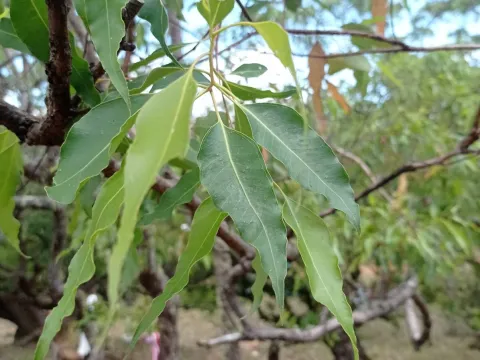
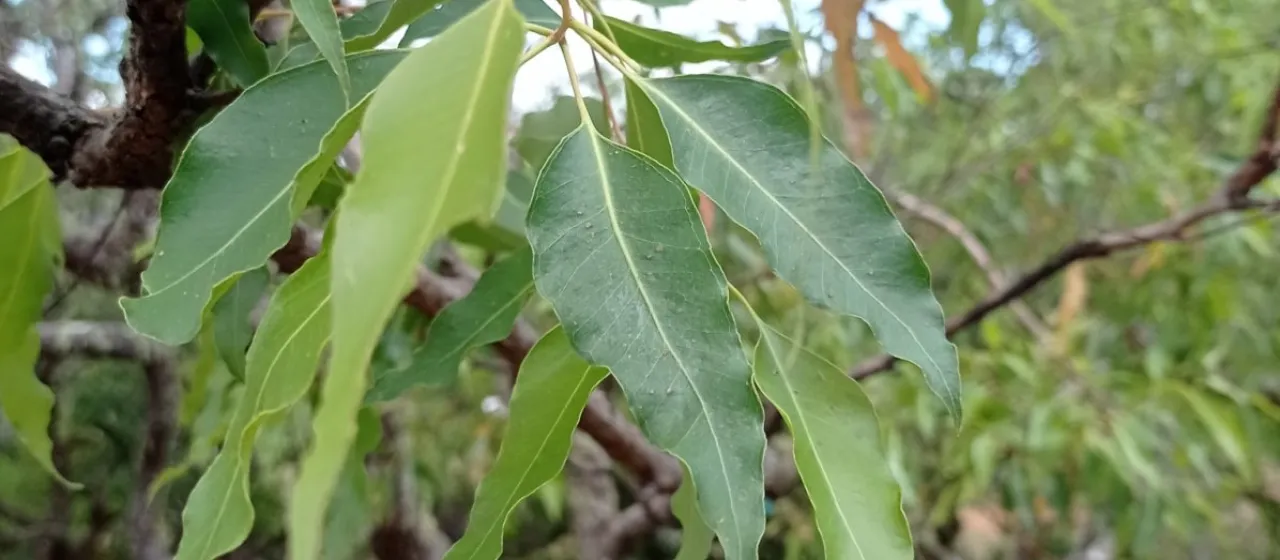
Botanically, Eucalyptus urophylla is distinguished by its smooth, shedding bark and lanceolate, coriaceous leaves. The tree exhibits a strong apical dominance, resulting in a clean trunk profile that is highly desirable for sawmilling and pulp production. Its ability to regenerate from stumps (coppicing) is a vital trait for sustainable forest management cycles.
Cultivation requirements for this species focus on deep, well-drained soils and high moisture availability. It is strictly sensitive to frost and extreme cold, making it unsuitable for temperate climate zones. Agronomical practices involve careful site preparation, weed control during the establishment phase, and optimized spacing to maximize light penetration and tree girth expansion.
Economically, the species is primarily grown for wood chips, paper pulp, and structural timber. Furthermore, it serves a critical environmental function in agroforestry systems and land rehabilitation projects where fast canopy closure is required to prevent soil erosion.
- Rapid growth rates for short-rotation forestry.
- Strong resistance to many local pathogens.
- High-quality fiber for pulp and paper.
The main challenges in cultivating Timor mountain gum include susceptibility to fungal leaf diseases, such as those caused by Cylindrocladium species, particularly in humid nursery environments. Insect pests like termites and various borers also pose risks. Integrated pest management, combined with selecting genetically improved planting stock, remains the most effective approach to ensuring stand health.
Photo gallery