Description
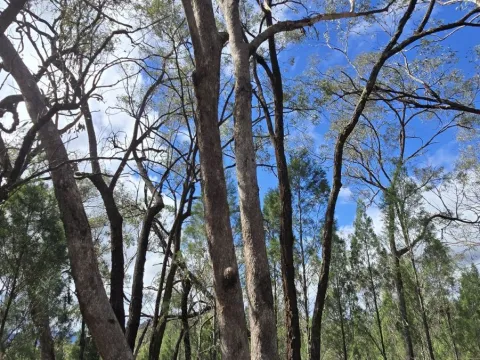
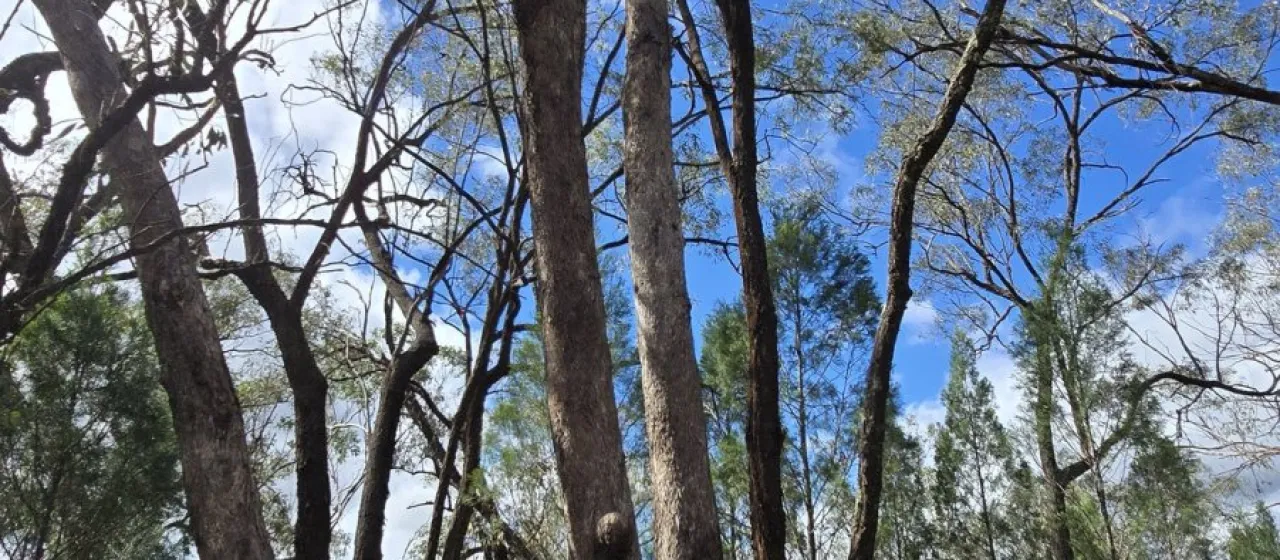
White box (Eucalyptus albens) is a prominent species of evergreen tree belonging to the Myrtaceae family. Known for its distinct white or light-grey bark, this tree is a significant component of woodland ecosystems and is highly regarded in silviculture for its hard, durable wood and its capacity to thrive in diverse, albeit specific, environmental conditions.
The species is native to the southeastern regions of Australia, where it primarily occupies slopes and valleys. It is known to inhabit fertile soils, demonstrating a preference for areas that do not suffer from permanent waterlogging. As a crop, it requires a temperate climate with reliable rainfall patterns, though it displays a degree of drought tolerance once fully established.
Botanically, Eucalyptus albens is recognized by its glaucous, lance-shaped leaves and its habit of shedding bark in patches, which creates a mottled white appearance on the trunk. The tree can reach substantial heights, forming a broad canopy. Its reproductive strategy involves the production of small flowers that are rich in nectar, making it a critical species for the apiculture industry.
Successful cultivation of White box involves careful site selection and soil management. It performs best on loamy, well-draining soils. Agrotechnical practices focus on early protection from weeds and pests, such as leaf-eating insects. While generally robust, the trees should be monitored for fungal diseases, particularly in environments with poor air circulation or excessive humidity.
The economic utility of the White box is diverse and significant. Its timber is highly prized in the construction industry for its density, weight, and resistance to environmental degradation, often utilized for fence posts, sleepers, and high-strength construction beams. Furthermore, the tree plays a vital role in land rehabilitation and erosion control, as its deep root system stabilizes the soil, effectively preventing land degradation in vulnerable areas.
Photo gallery