


SKU #29817
·
51 views
Clariva 156
Herbicides, Desiccants
SyngentaUser rating
0 votes0% positive reviews
No ratings yet — be the first.
Danger Class
3
Form of the preparation
Mobile Suspension Concentrate
Drug Consumption
0.02
About product
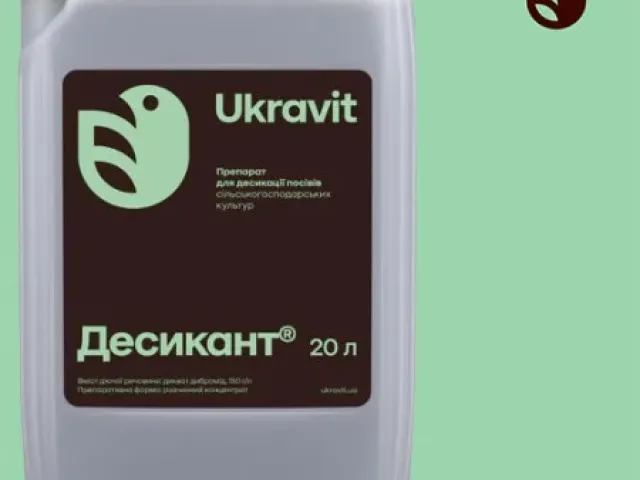
Advanced biological control that creates a persistent protective barrier against nematodes in the root zone.
Danger Class
3
Form of the preparation
Mobile Suspension Concentrate
Drug Consumption
0.02
Description
Biological Nematode Control: Engineering the Root Barrier
Klariva 156 by Syngenta represents a paradigm shift in crop protection by replacing harsh chemical agents with a highly specialized biological organism, Pasteuria nishizawae. This bacterium functions as a natural parasite to nematodes, providing precise control within the rhizosphere of soybean and fodder beet crops.
The Mechanism of Action: Proactive Colonization
The technical advantage of Klariva 156 lies in its ability to colonize the root environment effectively. Upon application, the spores form an active protective layer around the plant roots. When a nematode approaches, the following biological chain reaction occurs:
- Adhesion: The Pasteuria spores attach to the nematode’s cuticle upon contact.
- Invasion: The spore germinates, penetrating the nematode’s body.
- Resource Depletion: The bacterium consumes the internal resources of the parasite, preventing the nematode from feeding or reproducing and ultimately causing its death.
Operational Specs and Application Efficiency
As a suspension concentrate (SC), Klariva 156 offers excellent stability and adhesion properties, ensuring the active agent is evenly distributed in the root zone. With a precise dosage rate of 0.02, it offers a high concentration of the active biological agent while maintaining a low environmental impact. Rated as Class 3 in terms of hazard, it is compatible with Integrated Pest Management (IPM) strategies, safeguarding beneficial insects and soil microflora.
Practically, this solution eliminates early-stage yield losses by neutralizing threats before they impact plant vigor. For best results, the application must be calibrated to ensure full coverage of the seed furrow or seedling root zone, creating the persistent barrier necessary to combat nematode populations throughout the critical stages of crop growth.
Composition
Active ingredients
Application
Used on crops
Against pests
Specifications hover over for a hint about the specification
| Danger Class | 3 |
|---|---|
| Form of the preparation | |
|
Drug Consumption
Drug Consumption
Mass of the preparation per unit of treated area. It is customary to express the dosage rate in kilograms per hectare. The dosage rate is most often given in terms of 100% active ingredient, although sometimes it is calculated based on the preparation in the form of application w... |
0.02 |
| Catalog | Catalog → Herbicides, Desiccants |
| Manufacturer | Syngenta |
| Country | Switzerland |
Store offers
Prices are updated on loadLoading offers…
Aggregator catalog: prices are collected automatically from store websites, normalized by AI and converted at the current exchange rate. Before ordering, confirm the price and availability on the store's website. This block is not indexed by search engines — the data is loaded after the page opens.
Alternatives
Fodder beet · similar varieties

Stomp 330
БАСФ Агро БВ, Швейцарія, на заводі , Франція,Італія (Сієна)
710.8K 14 offers
13.2 €за 1 л ≈ 674 ₴


See also
Often considered together with this variety




Pantera
Кемарк КФТ, Угорщи (на замовлення Кемтура Корпорейшн, США)на
13.3K 20 offers
9.2 €за 1 л ≈ 470 ₴
Recently viewed
Similar items in this catalog section


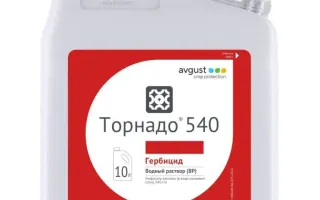
Tornado
ЗАТ Фірма Август, Росія.,селище Вурнари,
From your browsing history
57.8K 8 offers
0.8 €за 1 л ≈ 41 ₴


Sangli
F. Mitsuishi Chemicals Agro Inc., Japan
From your browsing history
56K 1 offer
12.87 € ≈ 657 ₴


Comments · 0