
Description
The genus Curculio consists of beetles commonly known as nut weevils, belonging to the family Curculionidae in the order Coleoptera. These insects are distinguished by their exceptionally long rostrum (snout), which females use to drill deep into developing fruits and nuts to deposit their eggs safely within the fruit tissue.
These pests primarily target a wide range of host plants, including fruit-bearing trees such as apples and pears, as well as nut-bearing trees like hazelnuts, oaks, and chestnuts. The damage occurs when larvae hatch and feed internally on the endosperm or flesh of the fruit, causing significant yield losses and reducing the marketability of the produce.
The life cycle of Curculio species is typically univoltine, meaning one generation per year. Adults overwinter in the soil or leaf litter and emerge in the spring to feed on developing buds and young leaves. Once mated, the females oviposit into the fruits, where the larvae feed until they reach maturity and exit to pupate in the soil.
The damage is easily identified by the presence of small, perfectly circular exit holes on the surface of the fruit or nut. Infested produce often drops prematurely from the tree and is prone to secondary rot and fungal infections, which significantly impacts the overall health of the orchard and results in major economic losses.
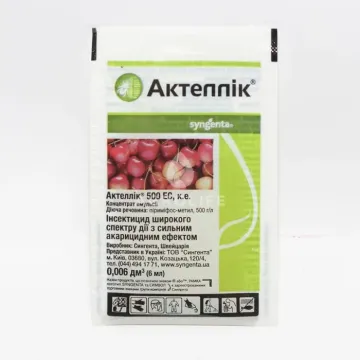
Integrated Pest Management (IPM) is essential for effective control. Cultural practices include the prompt removal and destruction of infested fallen fruit to prevent larvae from burrowing into the soil. Soil cultivation in late autumn can help destroy overwintering sites. Chemical control involves the application of appropriate insecticides during the period when adults emerge and start feeding on foliage.
Biology
Taxonomy
- Latin name
- Curculio
- Order
- Coleoptera (beetles)
- Family
- Curculionidae
Taxonomy and Latin: EPPO Global Database · code CURCSP
Контент-граф
Connections · Weevil
Most often together:
Marketplace
Products · 6



PIRINEX SUPER 420 K.E.
F. Macteshim Chemical Works, LLC
Insecticides, Acaricides
0
0
·
34
5 offers
13.6 €за 1 л
Купить

Community
Discussion
No discussions yet — be the first.