

Description
Moths represent a large and diverse group of insects within the order Lepidoptera. In agricultural settings, the term refers to various species from families such as Plutellidae, Gelechiidae, and Yponomeutidae. These pests are characterized by small adults and voracious larvae, which often cause significant economic losses by damaging various crops worldwide.
These pests affect a wide range of horticultural and agricultural plants. Notable species include the diamondback moth (targeting brassicas), the tomato leafminer, and the potato tuber moth. Depending on the species, the larvae can infest leaves, stems, roots, and fruits, leading to reduced photosynthetic capacity and direct loss of harvested produce.
The biological life cycle of moths involves four distinct stages: egg, larva (caterpillar), pupa, and adult. The lifecycle duration varies significantly based on environmental conditions and species. Adults are typically nocturnal, while larvae act as primary feeders, consuming plant tissues. Some species can complete several generations per season, making management particularly challenging.
Damage symptoms vary by species but often include skeletonized leaves, serpentine mines within leaf tissues, or boring holes in fruits and tubers. These injuries significantly reduce plant vigor and can lead to secondary infections. Identifying the moth species early is crucial for selecting the correct intervention method and preventing widespread infestation.
Integrated Pest Management (IPM) strategies for moth control include:
- implementing crop rotation to break the pest cycle;
- using pheromone traps for monitoring and mass trapping;
- applying biological control agents like Bacillus thuringiensis;
- utilizing systemic or contact insecticides during the larval stage;
- tilling soil after harvest to destroy overwintering pupae.
Контент-граф
Connections · Moths
Most often together:
Marketplace
Products · 53

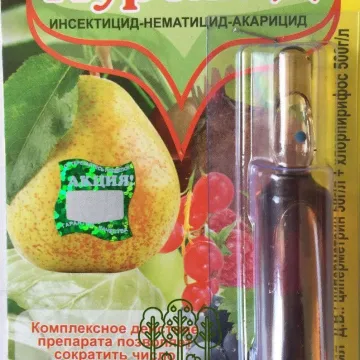


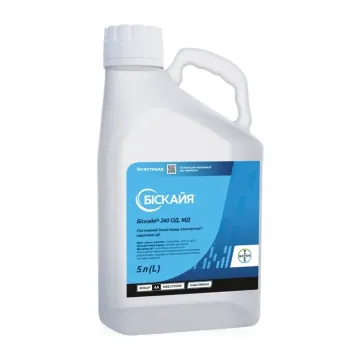

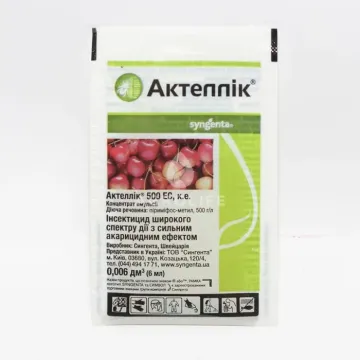


Diazol 60
Mactheshim Chemical Works Ltd.
Insecticides, Acaricides
0
0
·
2.9K
3 offers
6.7 €за 1 л
Купить


Komandor
Ф.Меатон Лімітед, Лондон, Великобританія.
Insecticides, Acaricides
0
0
·
2.6K
2 offers
10.7 €за 1 л
Купить

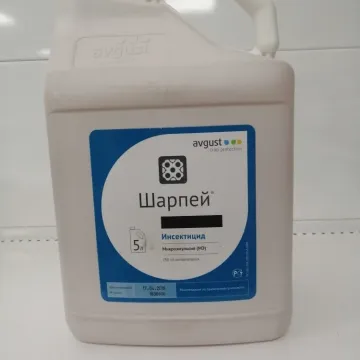
Sharpei
ЗАТ Фірма Август, Росія.,селище Вурнари,
Insecticides, Acaricides
0
0
·
2.5K
14 offers
2.3 €за 1 л
Купить
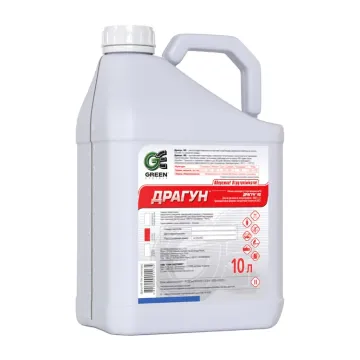
Dragun
Nanjing No.1 Pesticide Factory of Red Sun Group Co., Ltd.
Insecticides, Acaricides
0
1
·
2.3K
2 offers
0.9 €за 1 л
Купить

Sumithion
Sumitomo Chemical Agro Europe S.A.S.
Insecticides, Acaricides
2
0
·
2.2K
7 offers
13.3 €за 1 л
Купить


Fostran
Jiangsu Agricoem Laboratory Co., Ltd.
Insecticides, Acaricides
0
0
·
1.8K
10 offers
4 €за 1 л
Купить

Puska
Три Дельта Компані Інтернешнл, Гонконг, Китай.
Insecticides, Acaricides
1
0
·
1.8K
1 offer
0.4 €за 1 л
Купить

Pirinex 48
Mactheshim Chemical Works Ltd.
Insecticides, Acaricides
0
0
·
1.7K
8 offers
2.5 €за 1 л
Купить

SuperBison
«Юнісіті Ентерпрайсіс Л.П.», Единбург, Великобританія
Insecticides, Acaricides
0
0
·
1.7K
17 offers
5.5 €за 1 л
Купить

Sumi-Alpha
Sumitomo Chemical Agro Europe S.A.S.
Insecticides, Acaricides
0
0
·
1.5K
8 offers
11 €за 1 л
Купить


Fox
Ф.Суперус Ко ., Лтд., Гонг-Конг, Шанхай, Китай.
Insecticides, Acaricides
0
0
·
1.1K
1 offer
5.8 €за 1 л
Купить

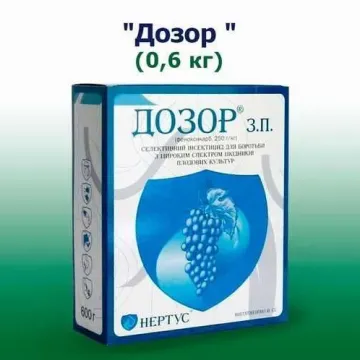

Pirinex 25
F. Macteshim Chemical Works, LLC
Insecticides, Acaricides
0
0
·
934
11 offers
11.7 €за 1 л
Купить

Raut
Три Дельта Компані Інтернешнл, Гонконг, Китай.
Insecticides, Acaricides
0
0
·
735
2 offers
4.9 €за 1 л
Купить

Kordon
Три Дельта Компані Інтернешнл, Гонконг, Китай.
Insecticides, Acaricides
0
0
·
654
2 offers
6.6 €за 1 л
Купить

ACTOVERM (ACTOVERM)
TRADE HOUSE "BTU-Center", LLC
Insecticides, Acaricides
0
0
·
61
2 offers
10.6 €за 1 л
Купить


BIOLEP (LEPIDOCID)
ТОВ ВО «СІББІОФАРМ», Російська Федерація
Insecticides, Acaricides
0
0
·
38
6 offers
2 €за 1 л
Купить

FA, KE
ТОВ «Фабрика агрохімікатів», Черкаси, Україна
Insecticides, Acaricides
0
0
·
28
4 offers
3.7 €за 1 л
Купить


Insecticide-Acaricide PS-30
Agrofirm "Effector", LLC
Insecticides, Acaricides
0
0
·
719
No offers
—
Details


Community
Discussion
No discussions yet — be the first.