Mitchell c.e.
China Chemical Industrial & Rice Co. Ltd
Herbicides, Desiccants
0
0
·
45
4 offers
8.7 €за 1 л
Купить

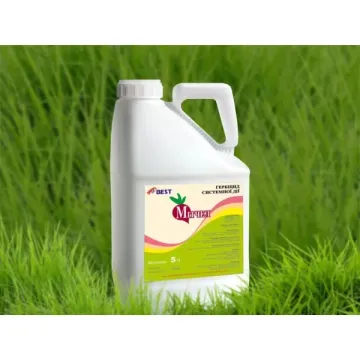
Phenmedipham is a highly selective active ingredient belonging to the phenylcarbamate chemical class. In modern agriculture, it serves as a specialized post-emergence herbicide designed to control a wide range of annual broad-leaved weeds in specific agricultural crop systems, particularly in beets.
The primary mechanism of action involves the inhibition of photosynthesis. Phenmedipham is absorbed through the foliage of the target plants, where it disrupts the electron transport chain in photosystem II. By interfering with this vital process, the herbicide halts the production of energy-rich compounds, ultimately causing the weeds to cease growth and wither away.
The principal crop for phenmedipham application is sugar beet, including fodder and red beet varieties. It is highly effective against common agricultural weeds such as Amaranthus species, Chenopodium album, and various Polygonum species. To achieve the best results, farmers target young weeds at the cotyledon to two-leaf stage, as older plants develop higher resistance.
Application requirements emphasize the importance of environmental conditions for optimal efficacy. The treatment should ideally occur during periods of active plant growth under favorable temperatures. Because of its selective nature, it is frequently combined in tank mixes with other herbicides to broaden the weed control spectrum, especially when managing mixed weed infestations in field settings.
Safety precautions for handling phenmedipham are essential for both the applicator and the environment. Workers should wear appropriate personal protective equipment, including gloves and face protection, to minimize dermal and respiratory exposure. It is also crucial to adhere to drift prevention protocols and respect the required pre-harvest intervals to ensure the safety of the final agricultural product.