
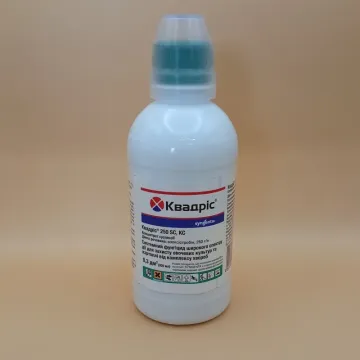
Description
Rots are a diverse group of plant diseases caused by various phytopathogenic fungi (such as Rhizoctonia, Fusarium, Pythium) and bacteria. The disease is characterized by the enzymatic degradation of plant tissues, leading to tissue softening, maceration, and often a foul odor, as the pathogen systematically destroys the cellular architecture of the host.
These pathogens affect almost all agricultural crops, including cereals, vegetables, legumes, and woody perennials. Rots can be classified based on their location, such as root rot, stem rot, or fruit rot. Regardless of the type, these infections often start in the rhizosphere or through wounds on the stems and leaves, spreading rapidly under favorable conditions.
Key symptoms include dark, water-soaked lesions that progress into soft decay. Infected plants often exhibit wilting, stunting, chlorosis, and eventual collapse. In many cases, diagnostic signs such as fungal mycelium, sporulation, or black sclerotia become visible on the surface of the affected plant parts as the infection matures.
The development and spread of rot-causing pathogens are heavily influenced by environmental factors. High soil moisture, poor drainage, humidity, and improper irrigation are major drivers of infection. Furthermore, monoculture cropping systems often create an environment where pathogen inoculum builds up over time, leading to more severe outbreaks.
The economic impact of rots is significant, often resulting in severe yield losses, poor produce quality, and massive waste during post-harvest storage. Integrated management is essential to mitigate these risks and includes the following strategies:
- Utilizing disease-resistant cultivars and certified disease-free seeds.
- Implementing strict crop rotation schedules to break the pathogen lifecycle in the soil.
- Improving soil drainage and physical properties to prevent waterlogging.
- Applying fungicides or biological control agents as part of an integrated pest management (IPM) plan.
- Ensuring thorough sanitation by removing and destroying crop residues after harvest.
Контент-граф
Connections · Rots
Most often together:
Nutrient elements
1 связь
Marketplace
Products · 142
All 142
Sunflower 1364
Corn 635
Sugar Beet 520
Wheat 431
Tomato 417
Cucumber 304
Onion 231
Potato 181
Fungicides 142
Pea 140
Barley 136
Pepper 90

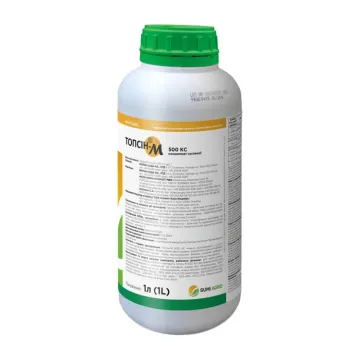
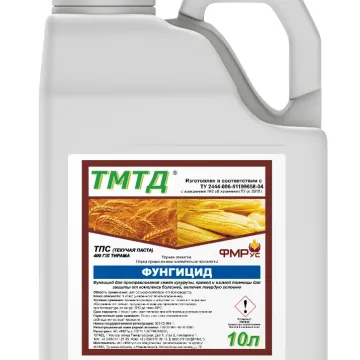
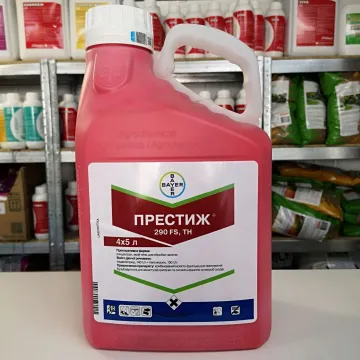
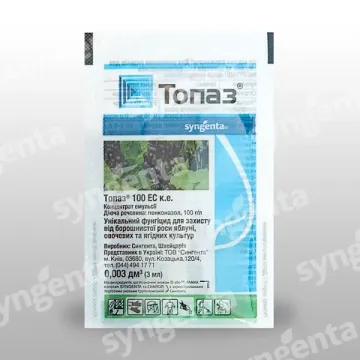


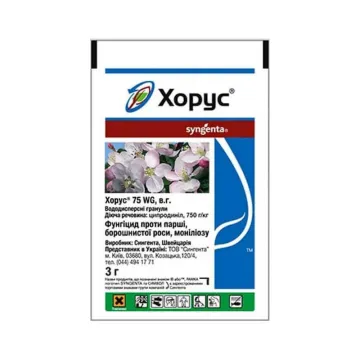

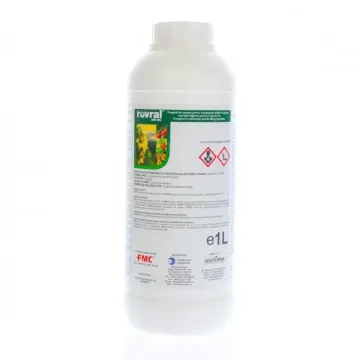
Rovral Aquaflow
БАСФ Агро БВ, Швейцарія, на заводі , Франція,Італія (Сієна)
Fungicides
0
0
·
4.1K
6 offers
13.6 €за 1 л
Купить

Vitavax 200 FF
Crompton (Uniroyal Chemical) Registration Limited
Fungicides
1
0
·
4.1K
7 offers
6.3 €за 1 л
Купить

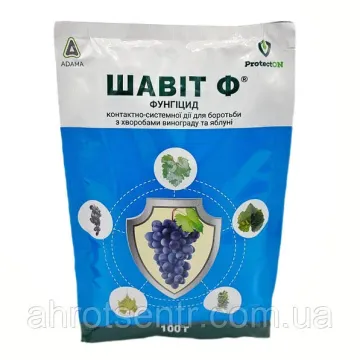













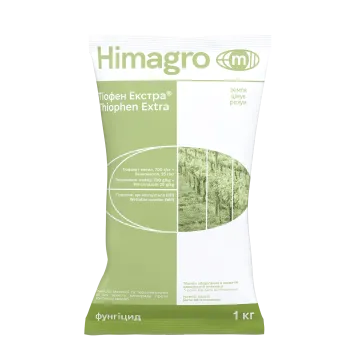
Thiophanate Extra
Sunrise Agrochemical Co., Ltd.
Fungicides
0
0
·
2.3K
14 offers
11.3 €за 1 л
Купить


Ultrasil
«Нанджин Ессенс Файн-Кемікал Ко. Лтд» (Китай)
Fungicides
2
0
·
1.9K
5 offers
6.7 €за 1 л
Купить


Fundazim
ТОВ «Фабрика агрохімікатів», Черкаси, Україна
Fungicides
0
0
·
1.8K
9 offers
14.6 €за 1 л
Купить


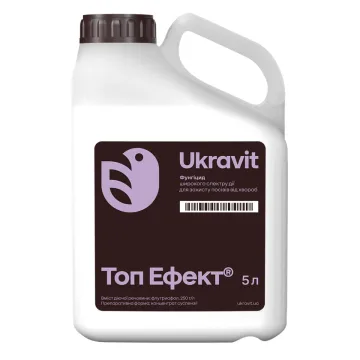
Top Effect
«Нанджин Ессенс Файн-Кемікал Ко. Лтд» (Китай)
Fungicides
0
0
·
1.7K
7 offers
8.9 €за 1 л
Купить

Community
Discussion
No discussions yet — be the first.