
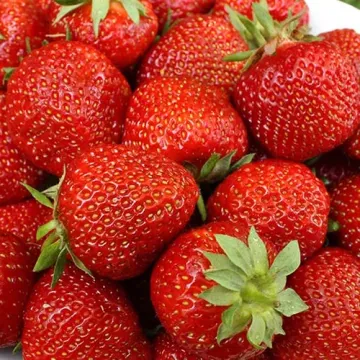
Description
Phytophthora root rot is a destructive plant disease caused by the soil-borne oomycete Phytophthora cinnamomi. Unlike true fungi, this organism thrives in water and targets the root systems of plants, systematically destroying the roots' ability to absorb water and essential nutrients, leading to rapid decline and plant death.
The host range of this pathogen is incredibly vast, affecting over 4,000 species of plants worldwide. It is particularly notorious for devastating avocado plantations, where it remains the primary limiting factor for production. Additionally, it causes significant damage to woody ornamentals, heathlands, and various forest ecosystems, often leading to irreversible habitat modification.
Symptoms of infection are often deceptive, resembling drought stress. Early signs include wilting, chlorosis (yellowing) of leaves, and sparse foliage. As the disease progresses, trees show dieback in the canopy, smaller leaves, and premature fruit drop. Digging into the soil often reveals necrotic, brittle, and blackened feeder roots, which are diagnostic of the disease.
The development of Phytophthora cinnamomi is heavily dependent on moisture and soil structure. Poorly drained, waterlogged soils provide the ideal conditions for the pathogen to produce zoospores that swim through the soil water to infect healthy root tips. Human activity, such as moving contaminated soil, planting infected nursery stock, or using contaminated water, is the primary method of long-distance spread.
Management of the disease requires an integrated approach because no single cure exists to eliminate the pathogen from an established site. Prevention is paramount: planting on raised beds to improve drainage, selecting resistant rootstocks (especially for avocado), maintaining strict hygiene in nurseries, and applying potassium phosphite treatments to suppress pathogen activity are essential components of an effective strategy.
Biology
Pathogens and affected parts
Pathogens
Affected plant parts
root
Content graph
Affects crops · 1
Контент-граф
Connections · Phytophthora root rot
Most often together:
Marketplace
Products · 17


Portola
The Regents of the University of California
Raspberry, Strawberry
0
0
·
56
6 offers
29.5 €за 1000 шт
Купить


Florida Festival
Florida Foundation Seed Producers
Raspberry, Strawberry
0
0
·
51
1 offer
1 671.4 €за 1000 шт
Купить





Community
Discussion
No discussions yet — be the first.